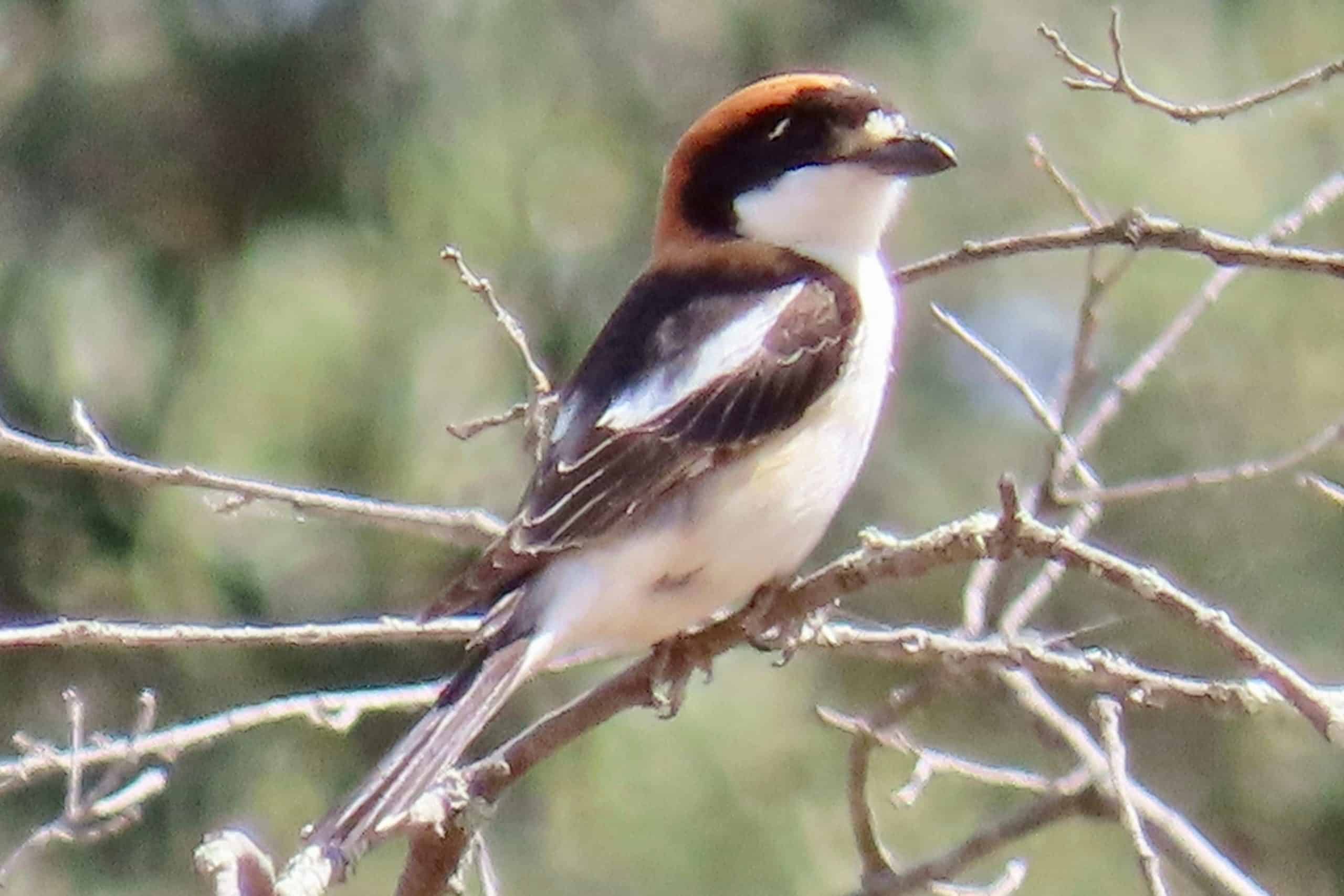
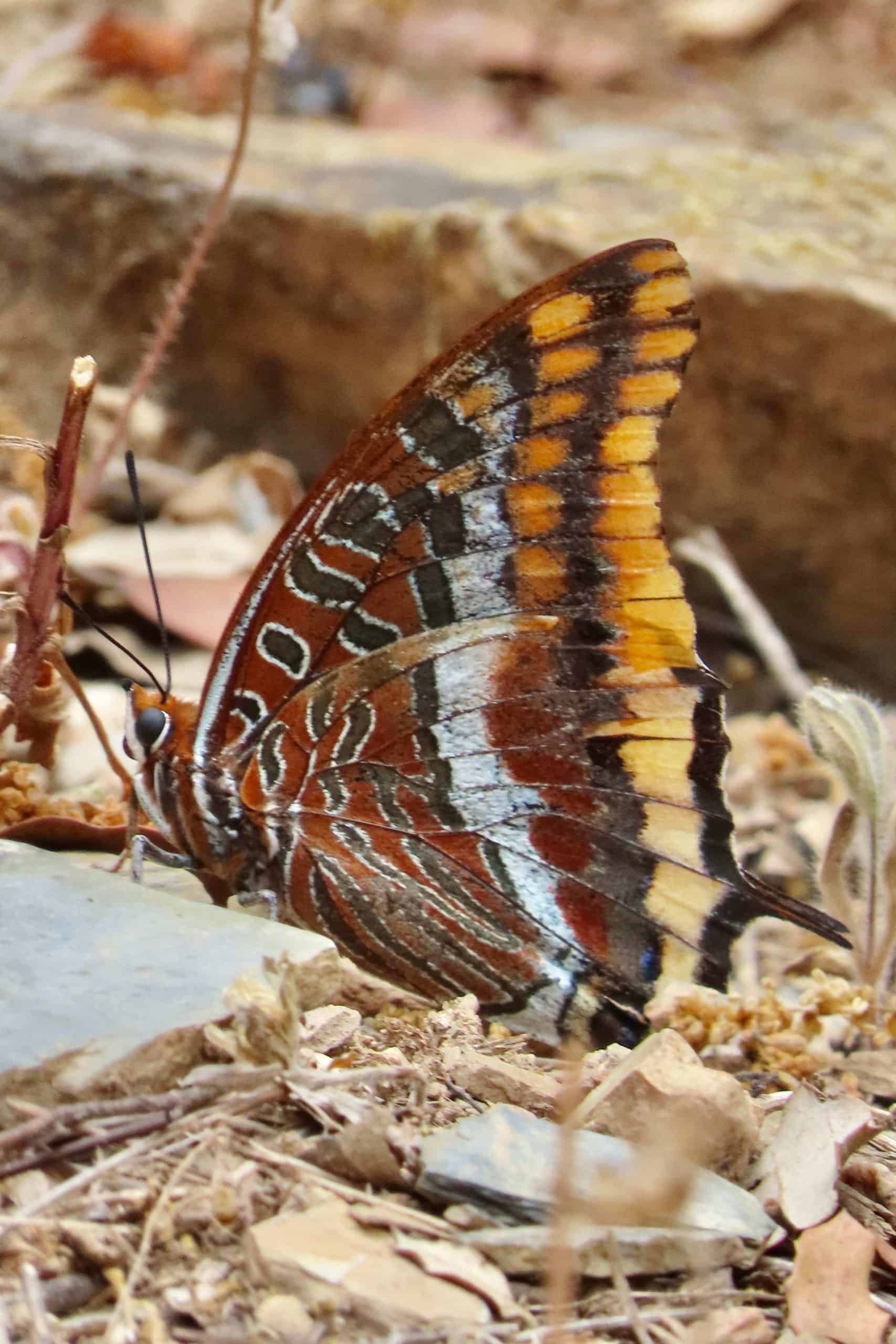
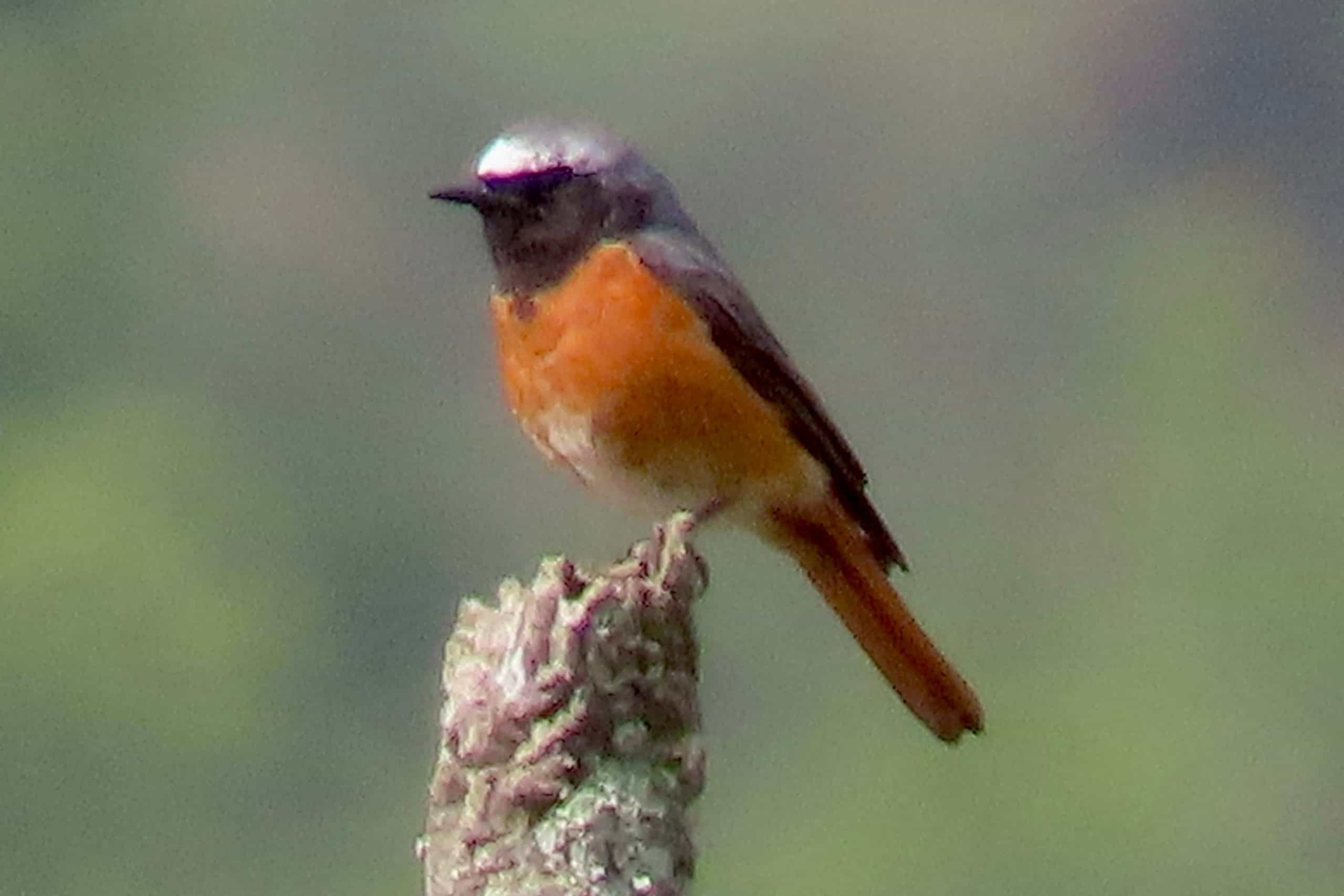
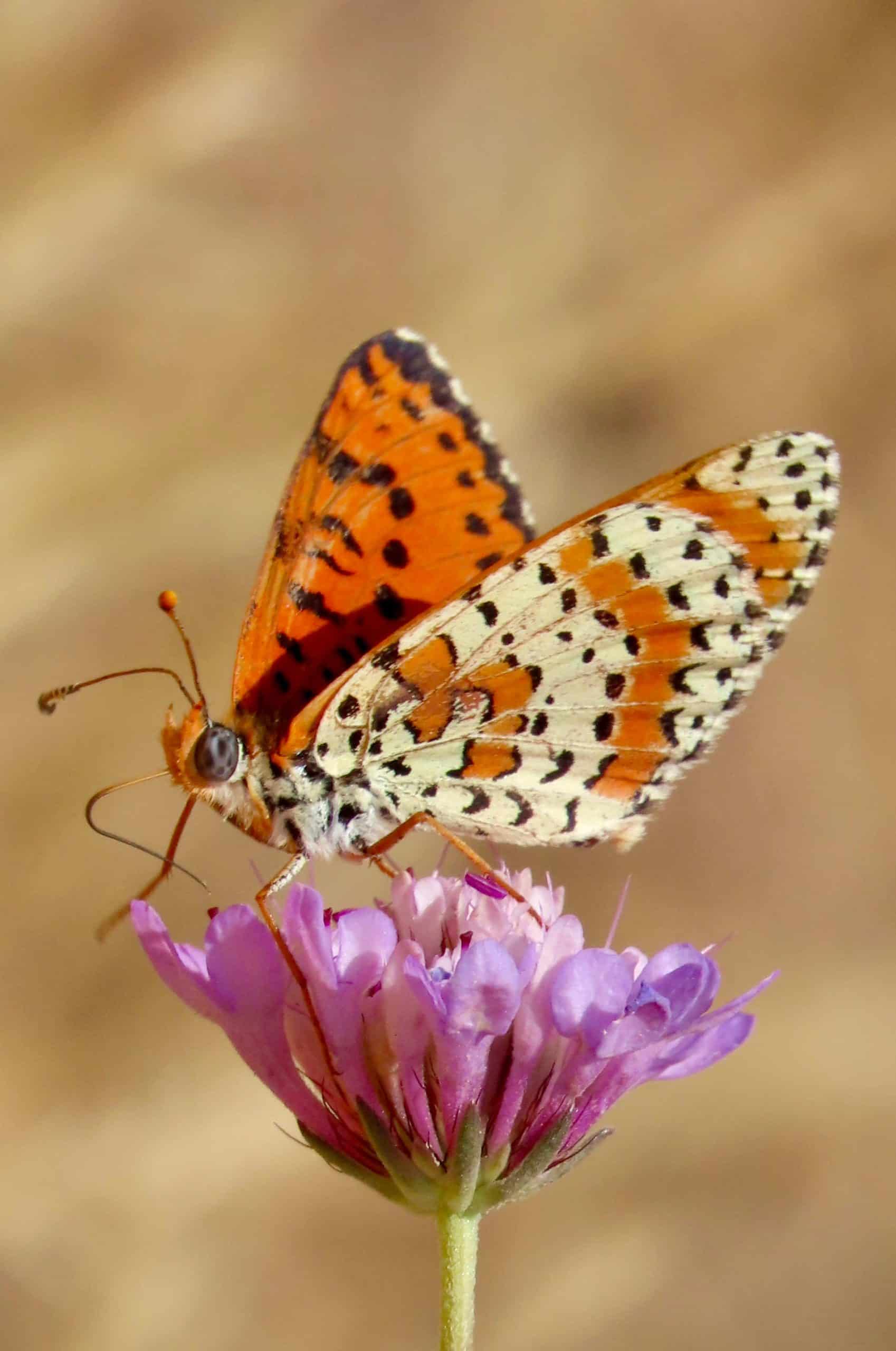
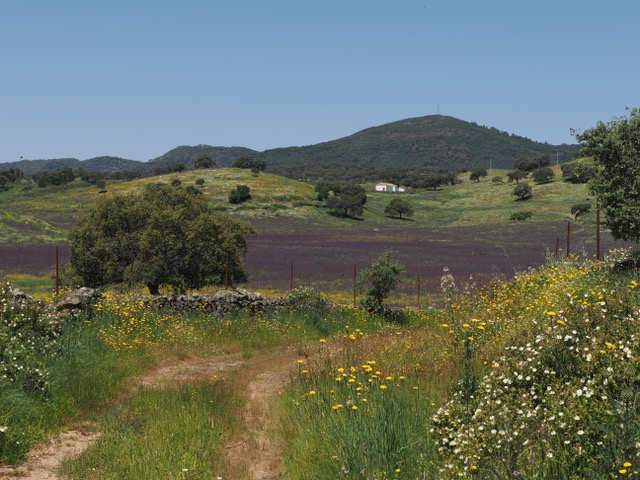
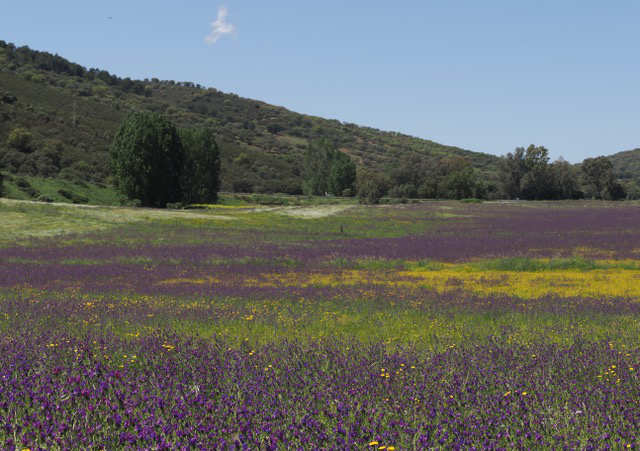
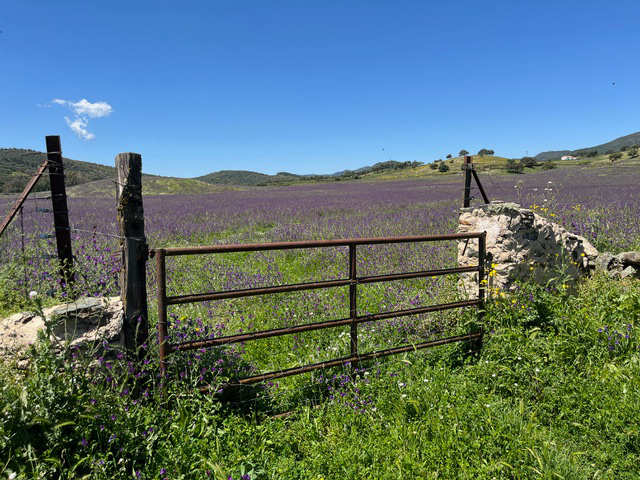
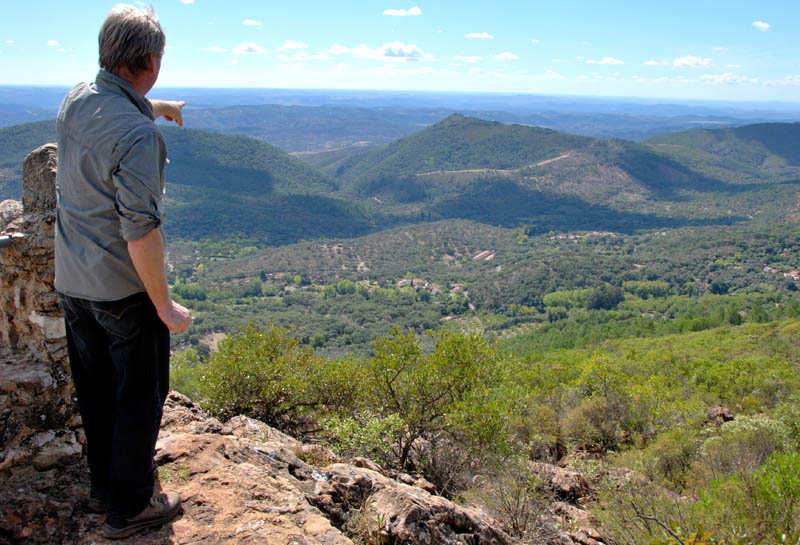
The Sierra de Aracena and Picos de Aroche Nature Reserve The Sierra de Aracena and Picos de Aroche Natural Park is the second largest protected area in Andalusia. Located less than one hour from Seville, its mountainous and well-preserved landscape offers excellent conditions for observing fauna and flora.
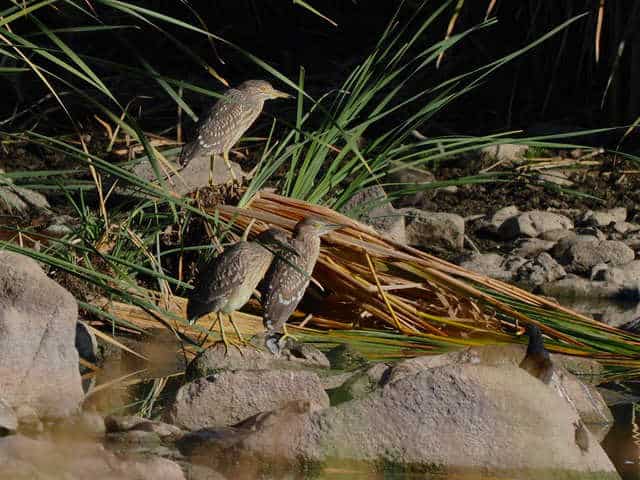
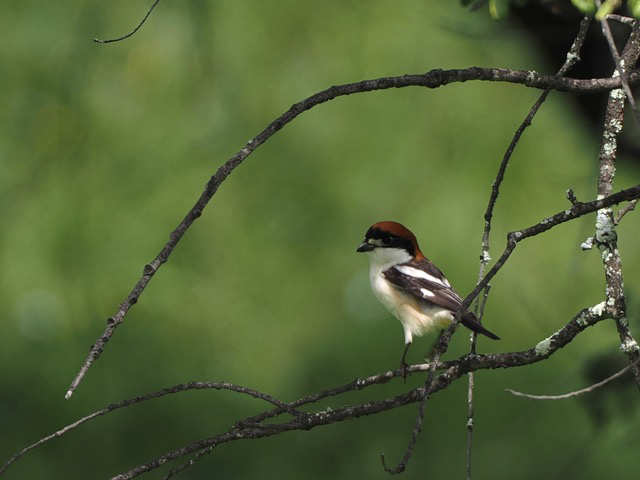
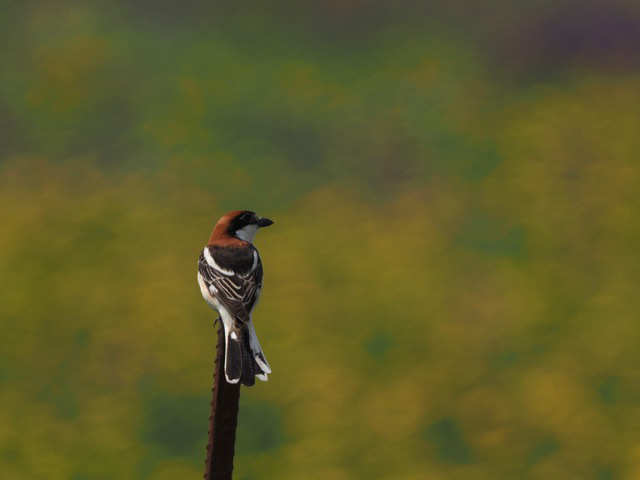
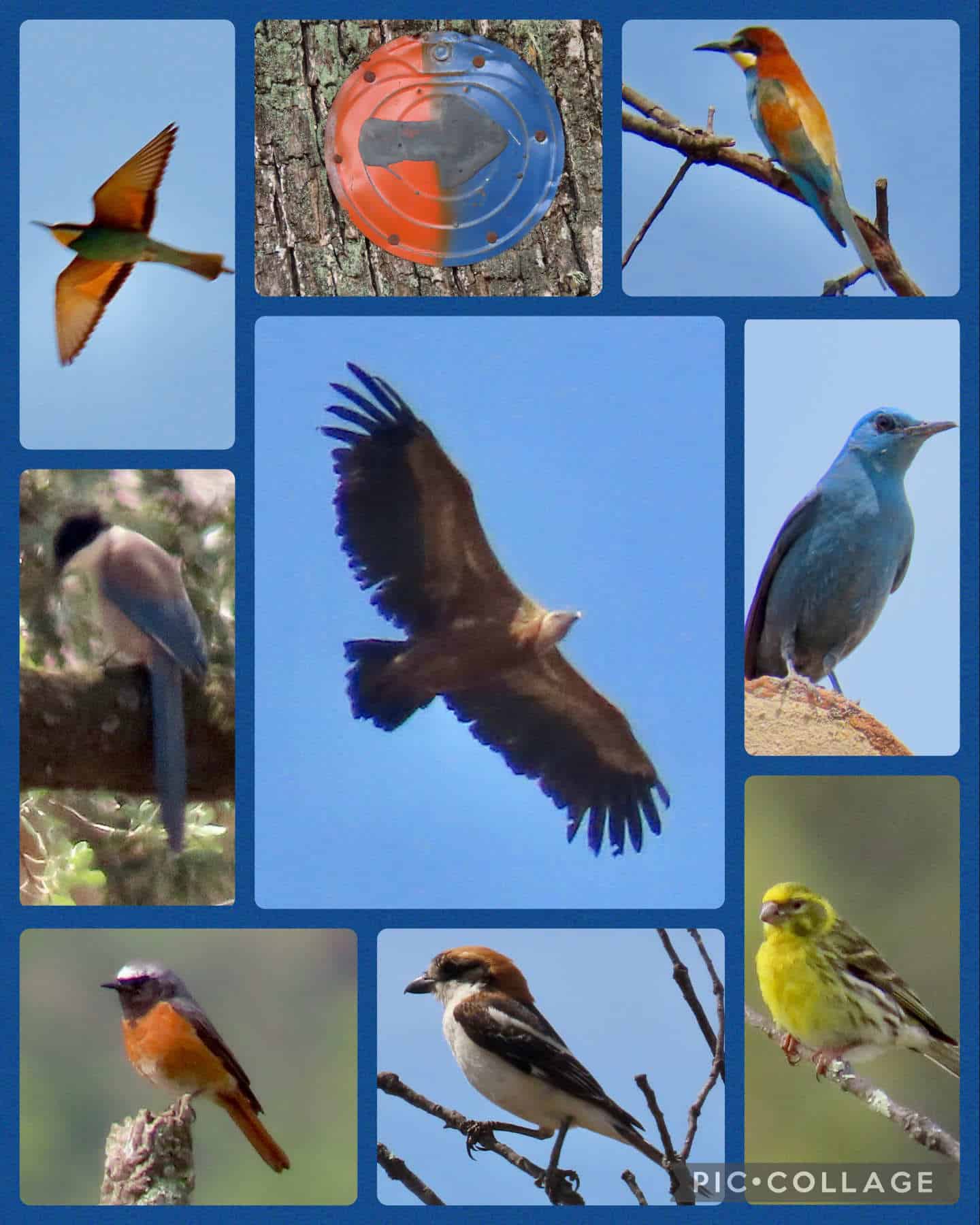
Thanks to the climate and the diversity of habitats, more than 130 bird species can be observed in the Sierra throughout the year. more than 130 bird species throughout the year.
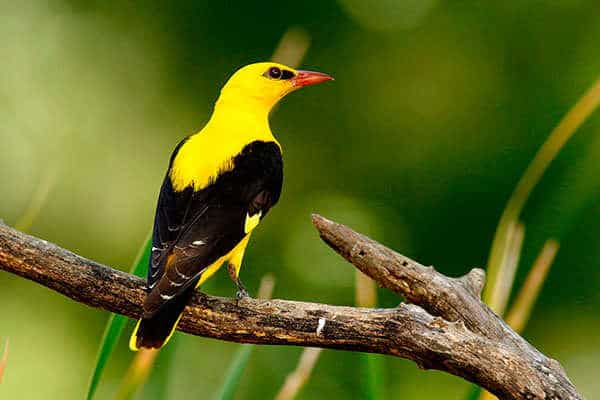
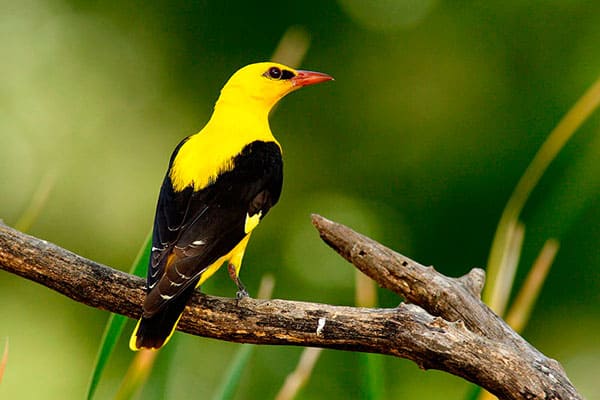
In spring, the song of nightingales accompanies walks along the riverbanks, while the golden oriole can be heard in orchards and forests. In March, the cuckoo announces the arrival of the new season.
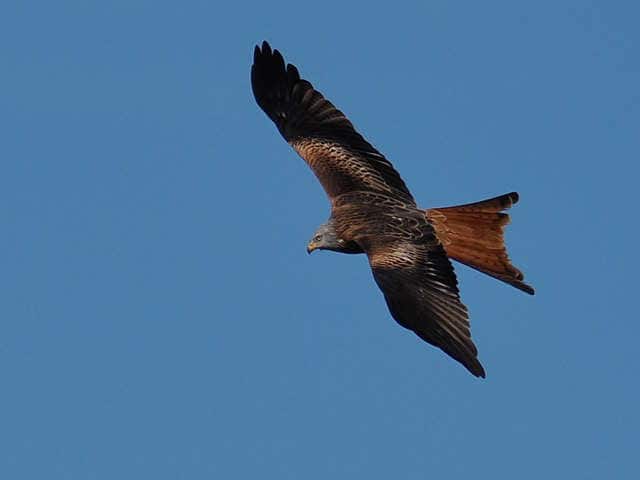
In winter, the majestic flight of the red kite is a common spectacle. Golden eagles, ravens and hawks can also be observed, offering unique moments for nature lovers.
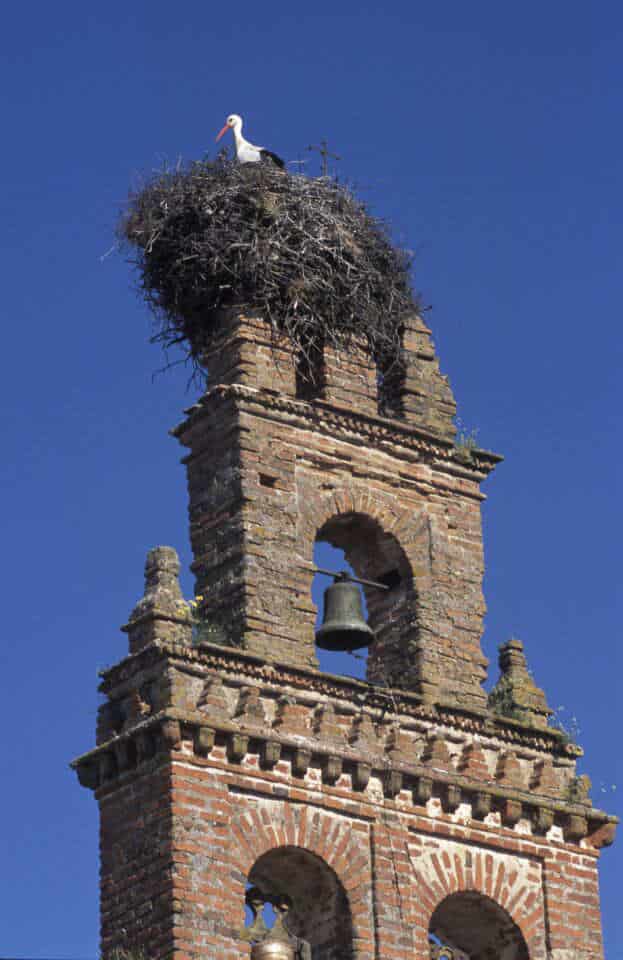
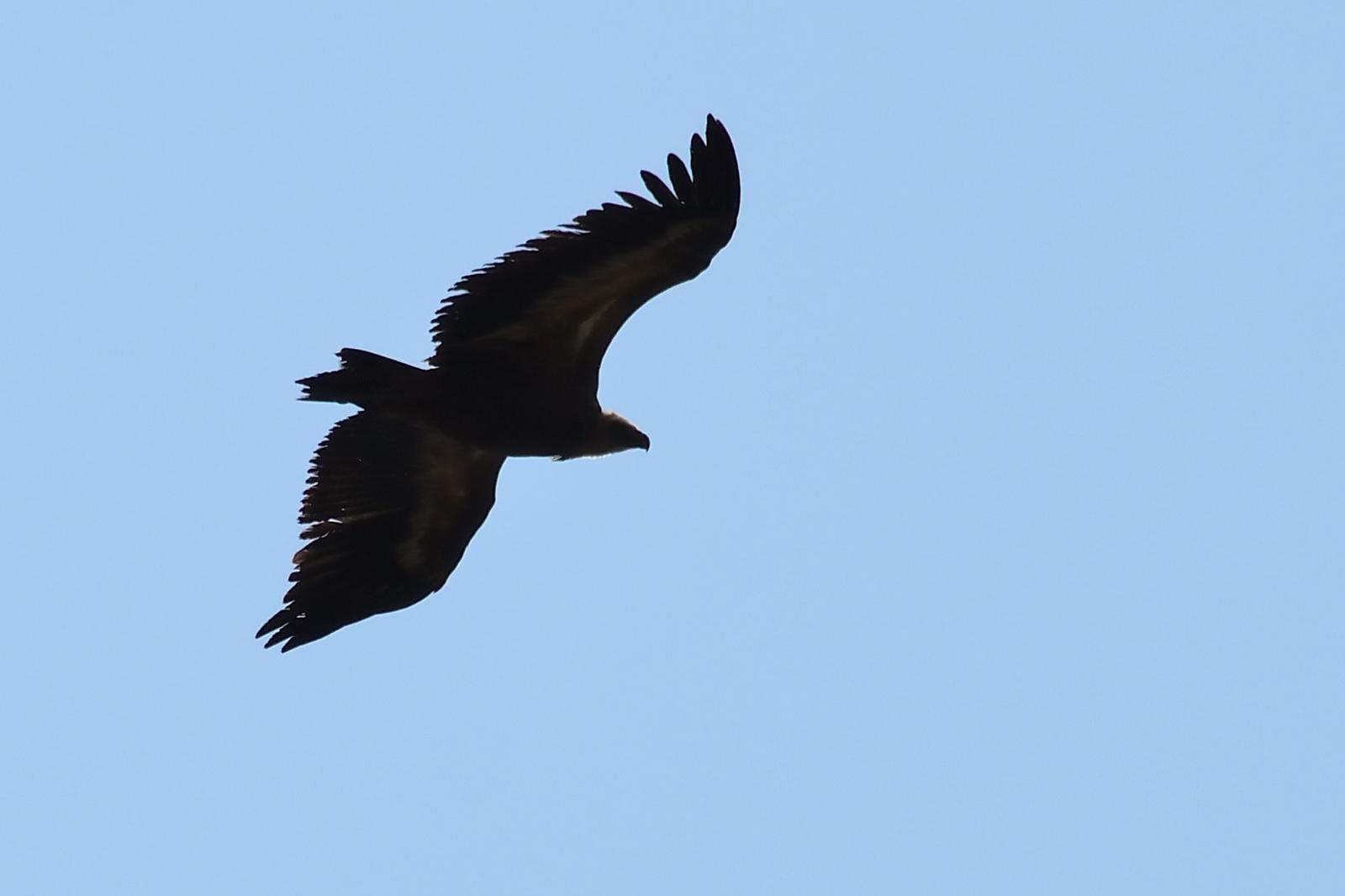
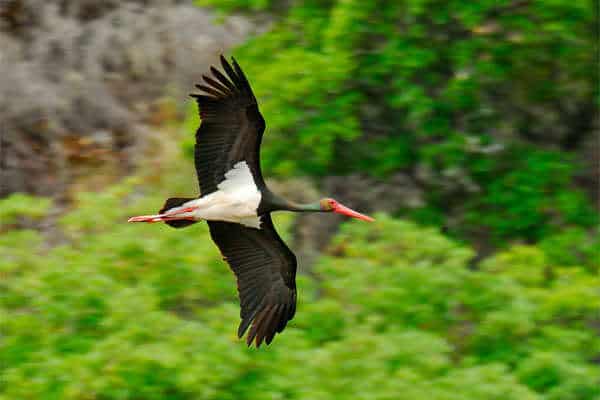
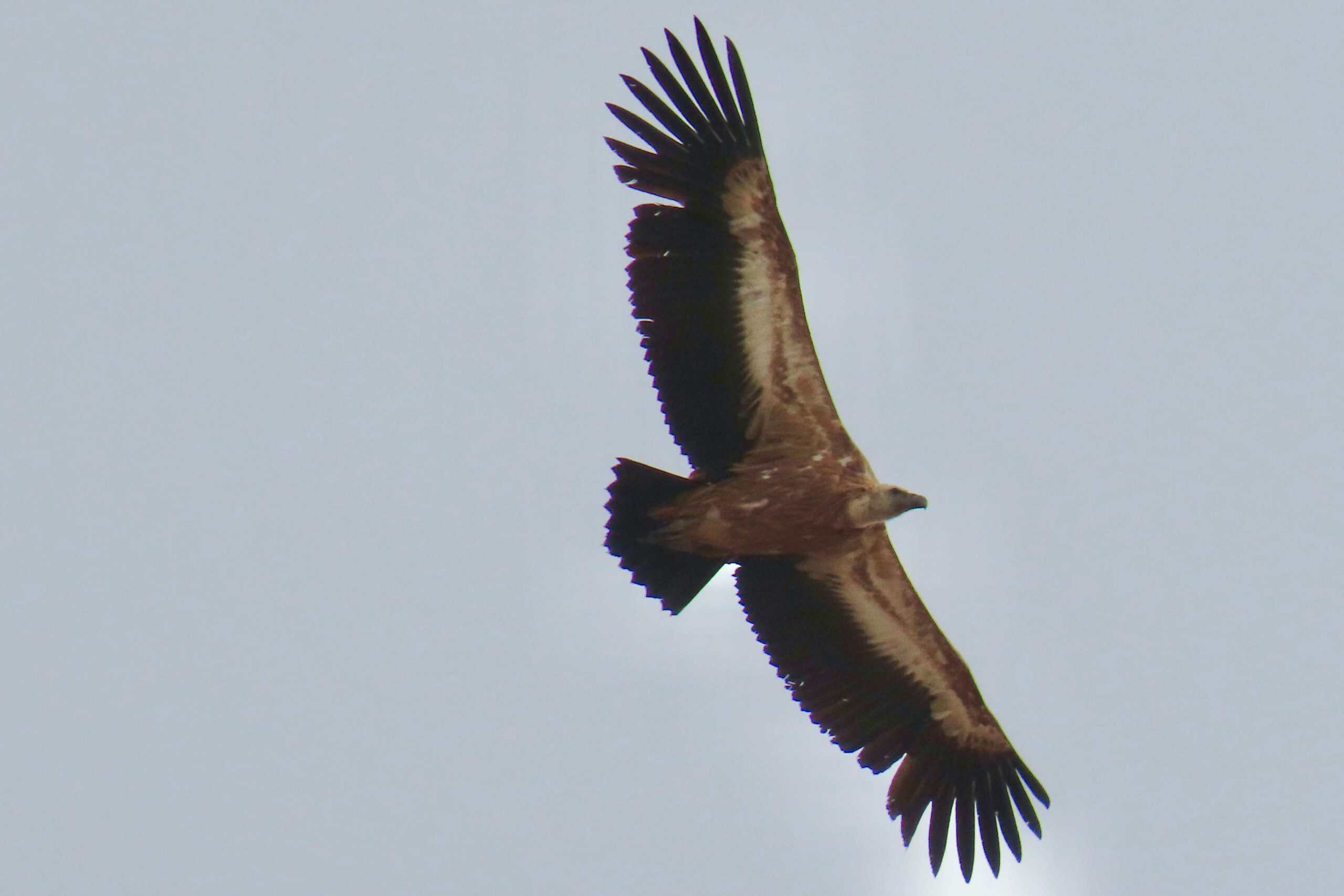
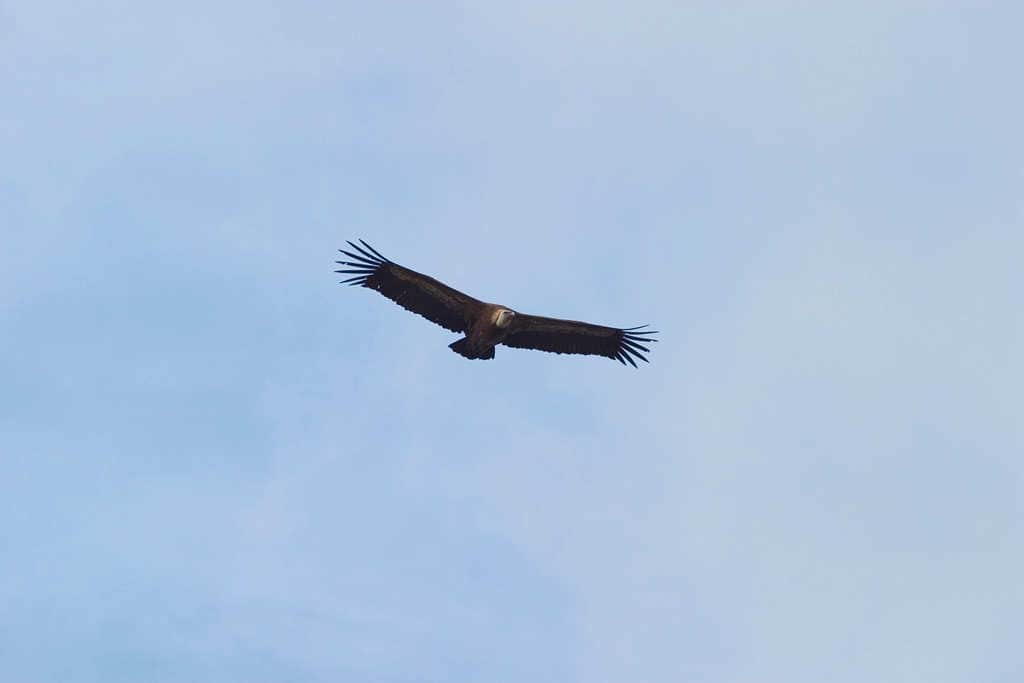
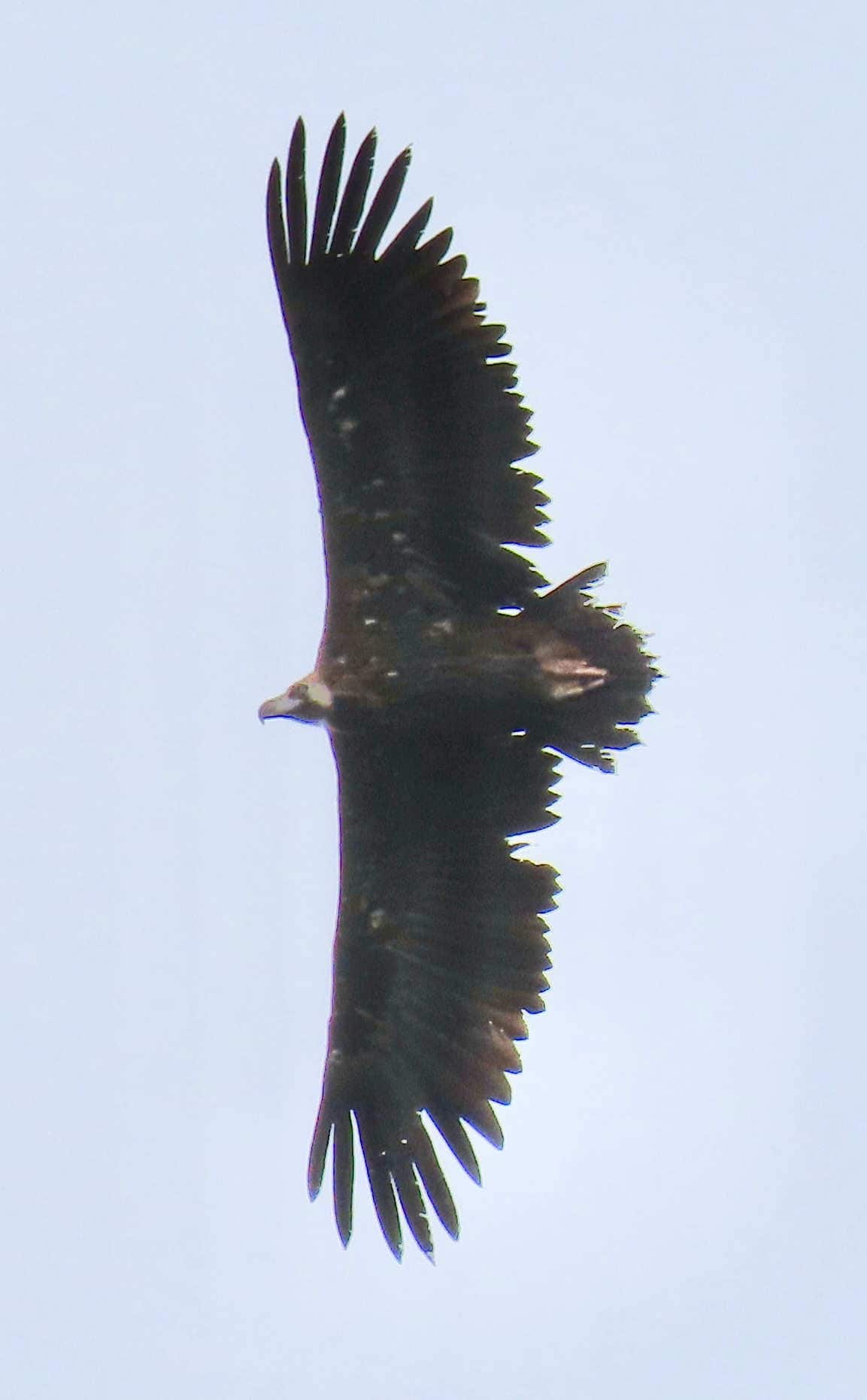
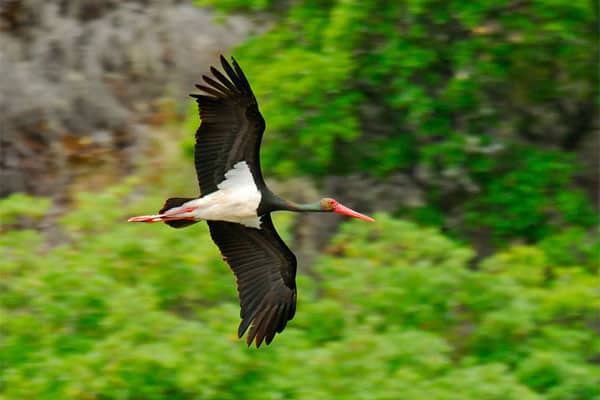
This protected area is also a breeding ground for the black vulture and the black stork, two endangered species that can also be seen in the park.
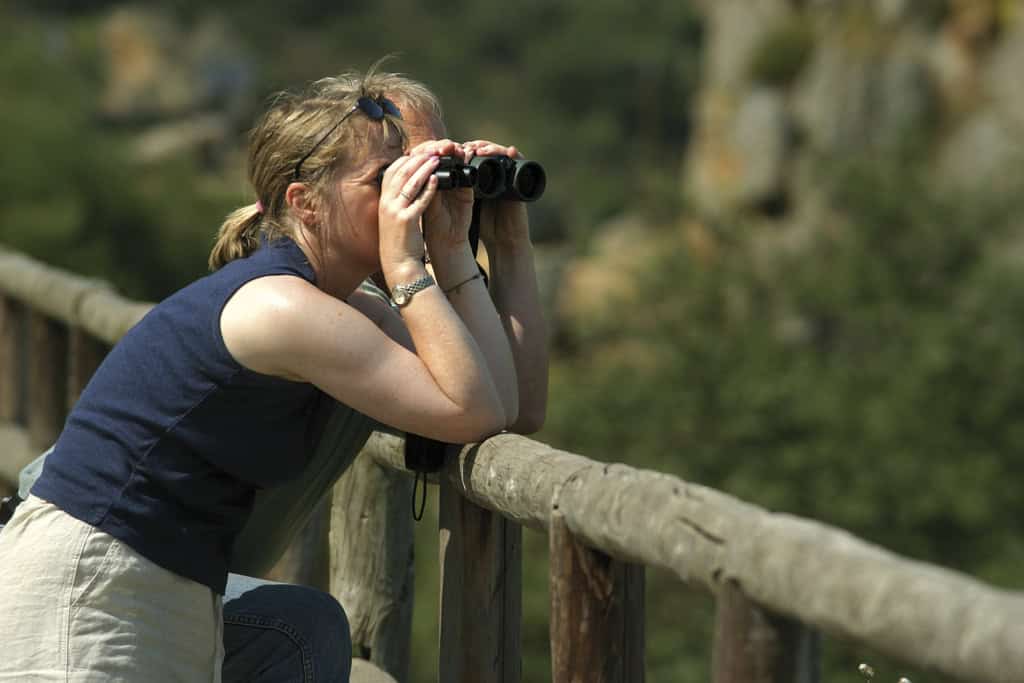
Guided birdwatching
We have prepared several routes designed for both novice and experienced birdwatchers. The excursions are guided by ornithologists with extensive knowledge of the birds of the Sierra de Aracena.
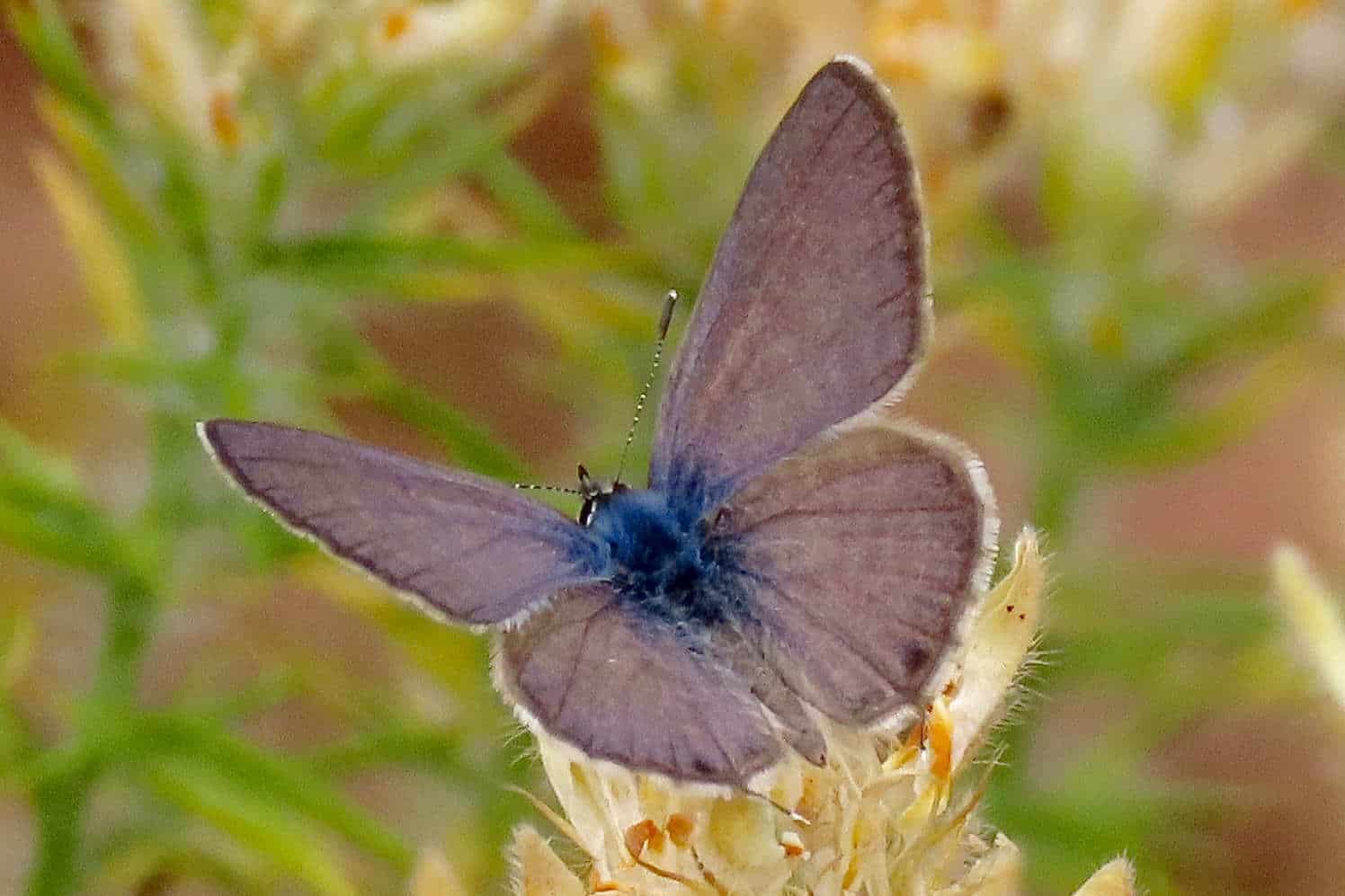
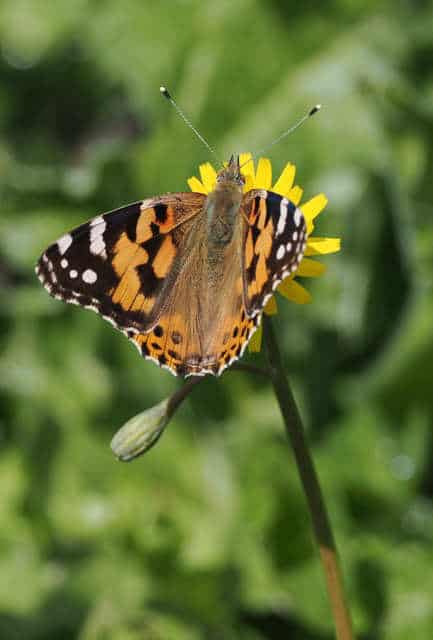
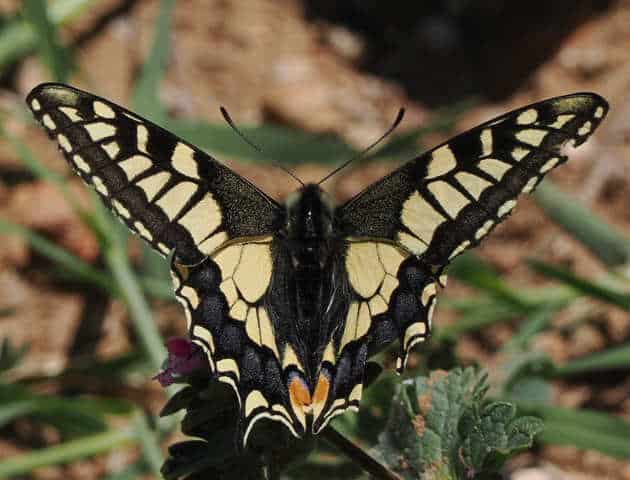
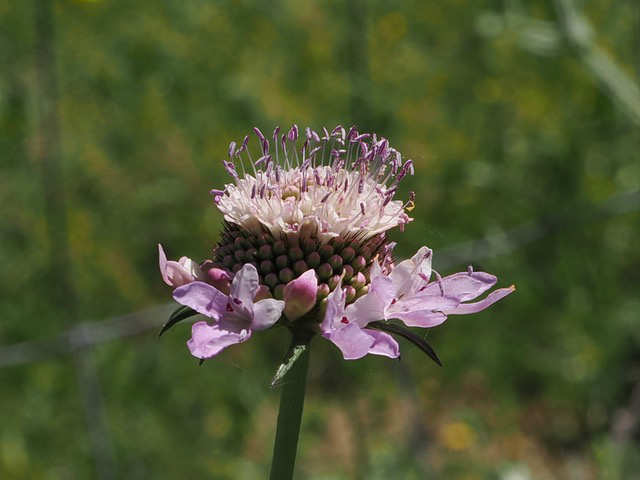
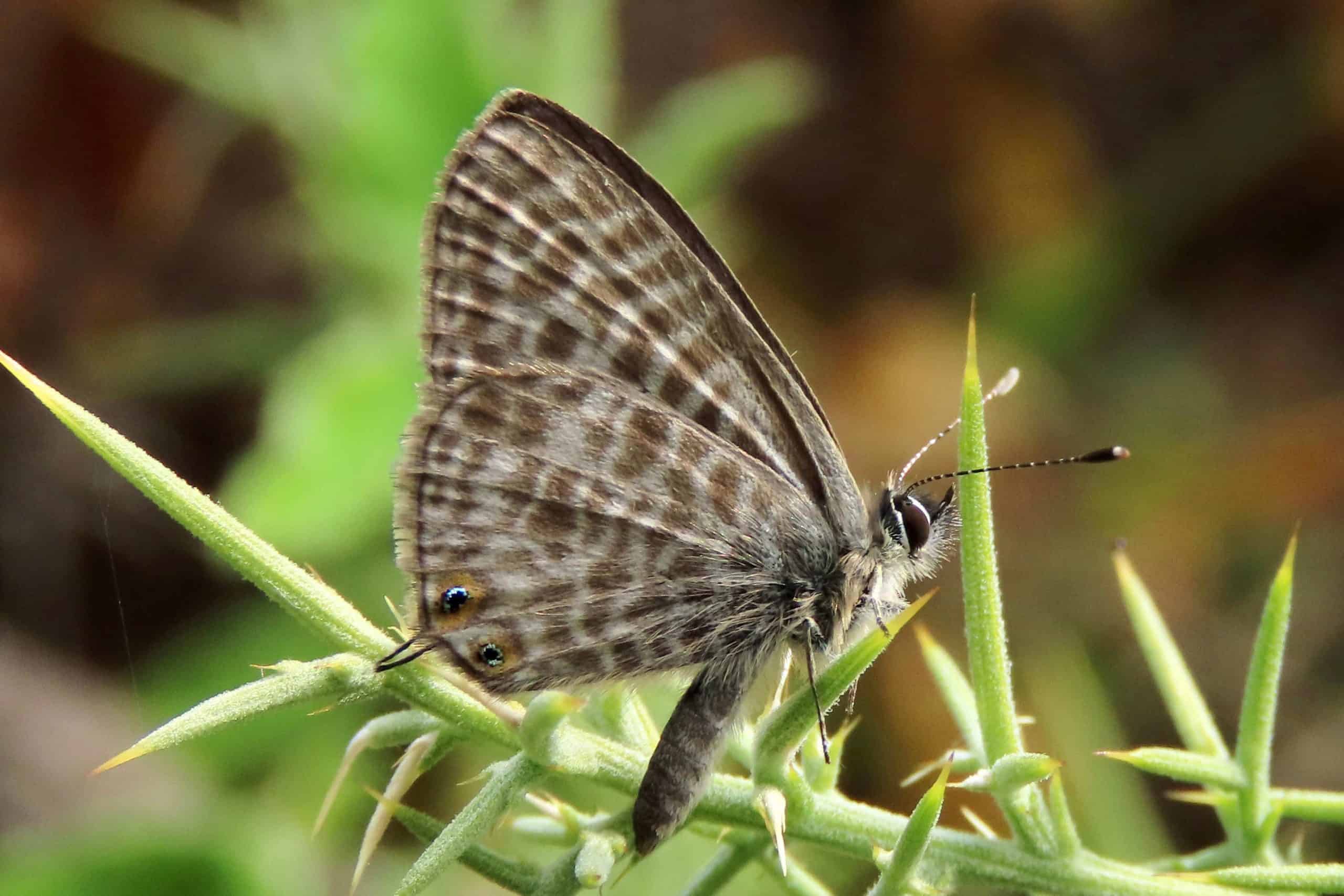
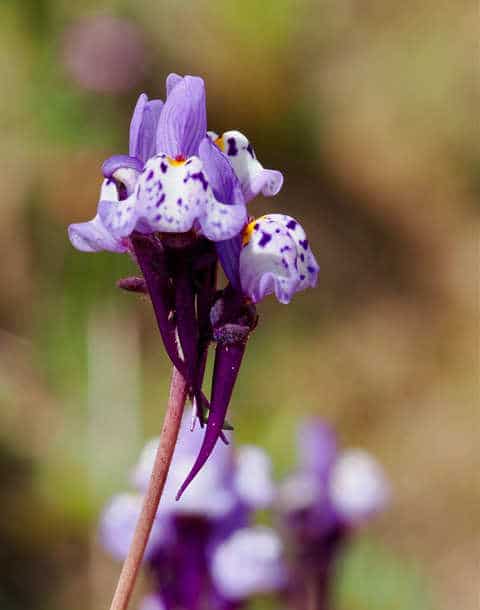
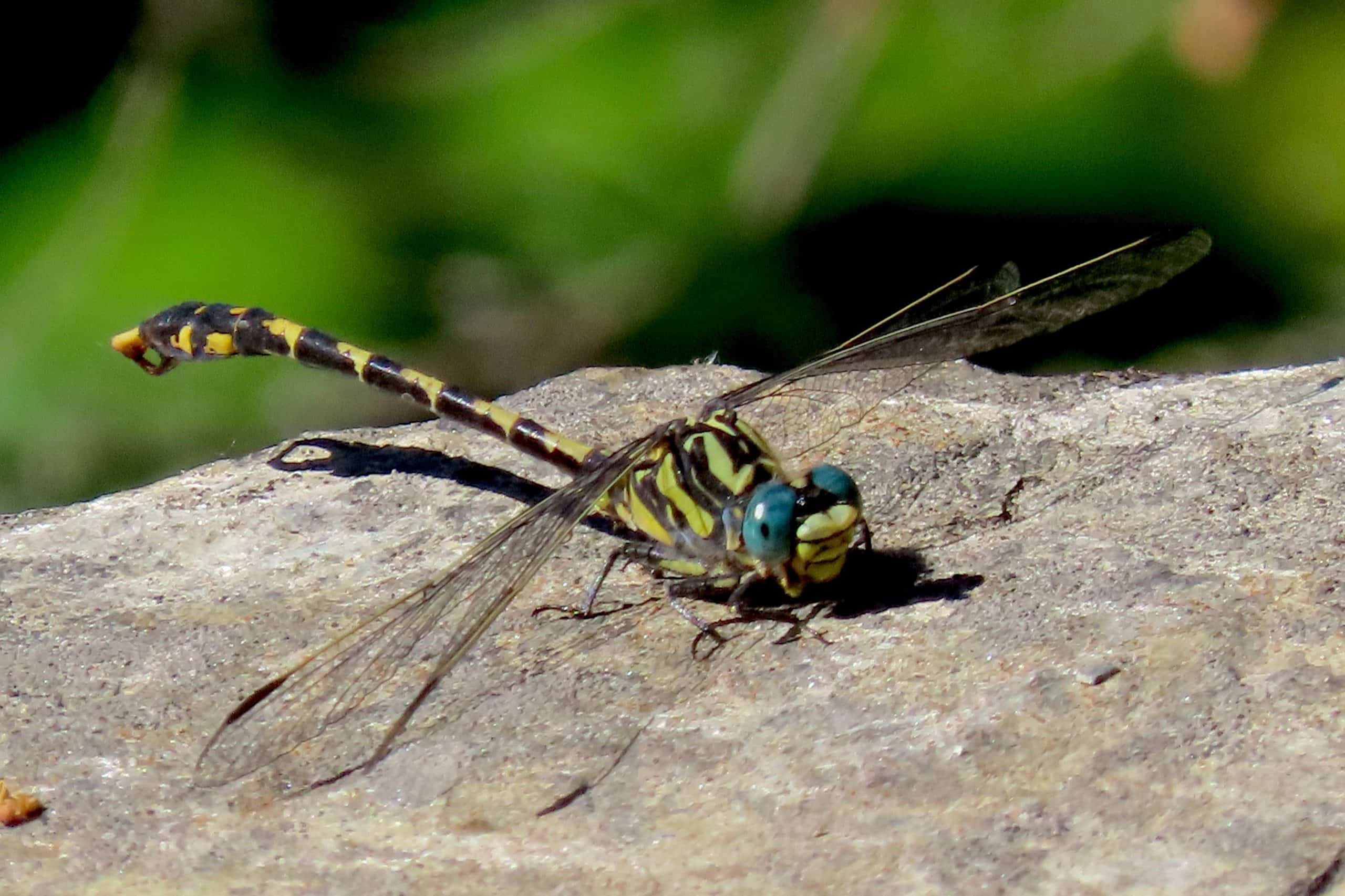
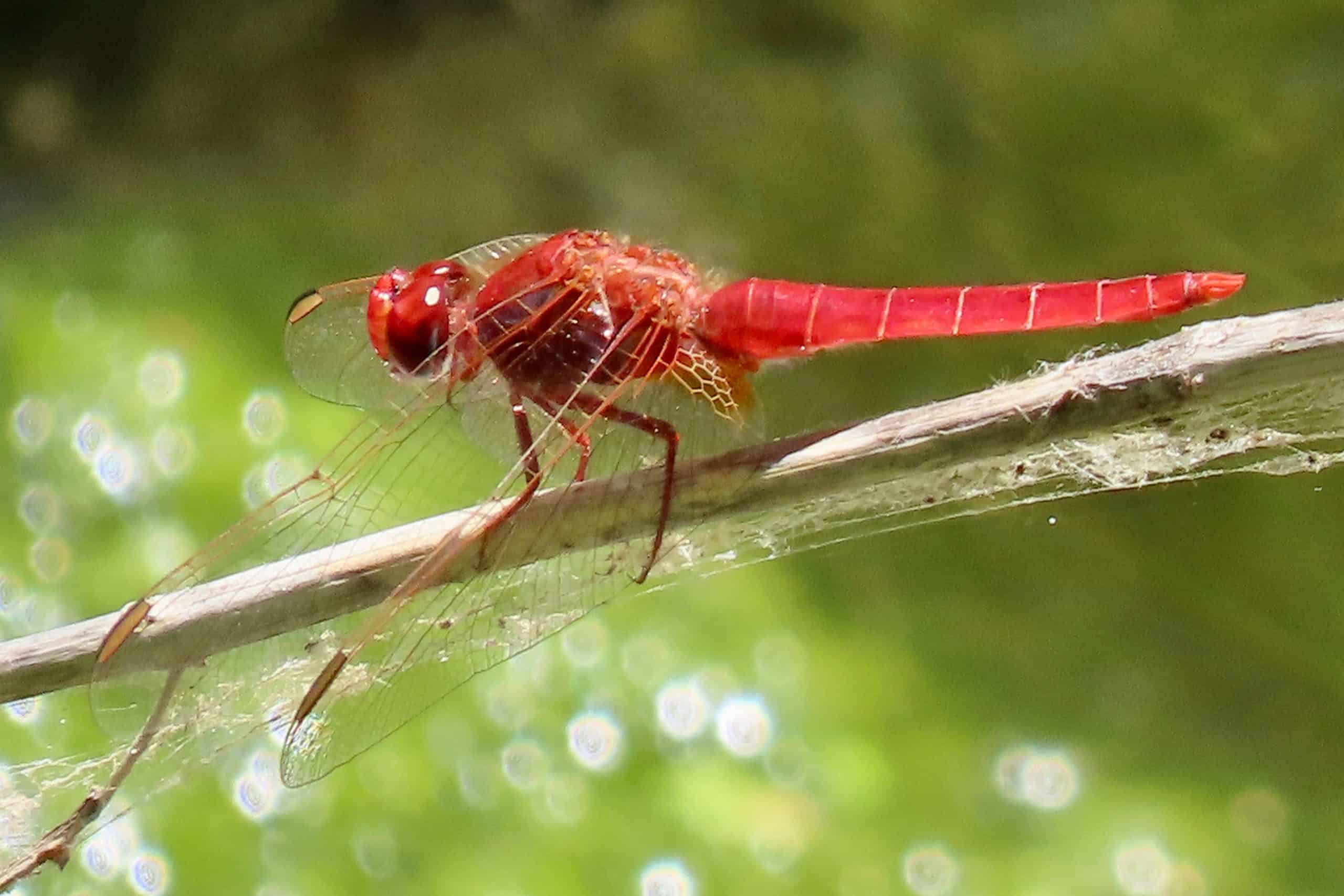
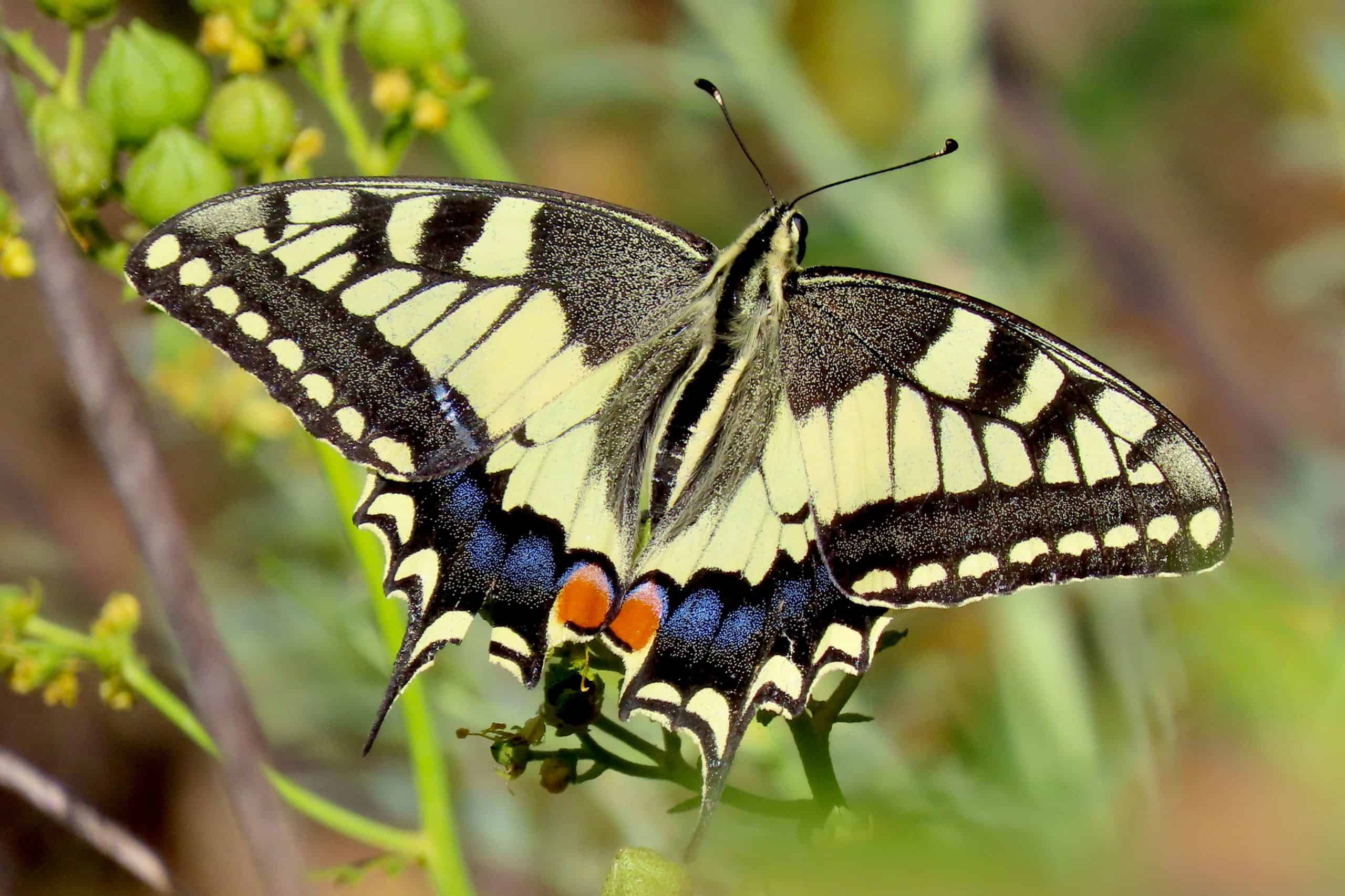
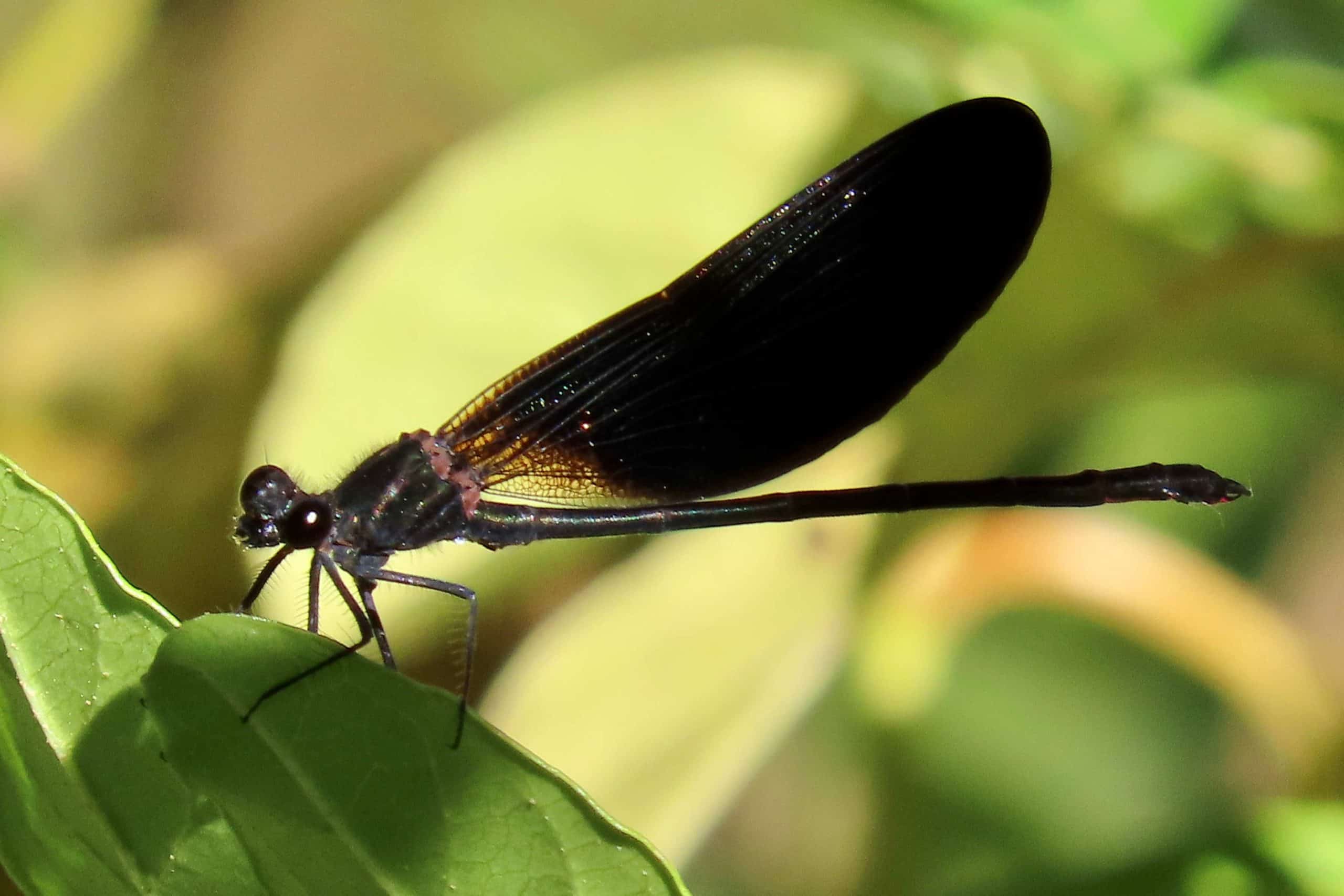
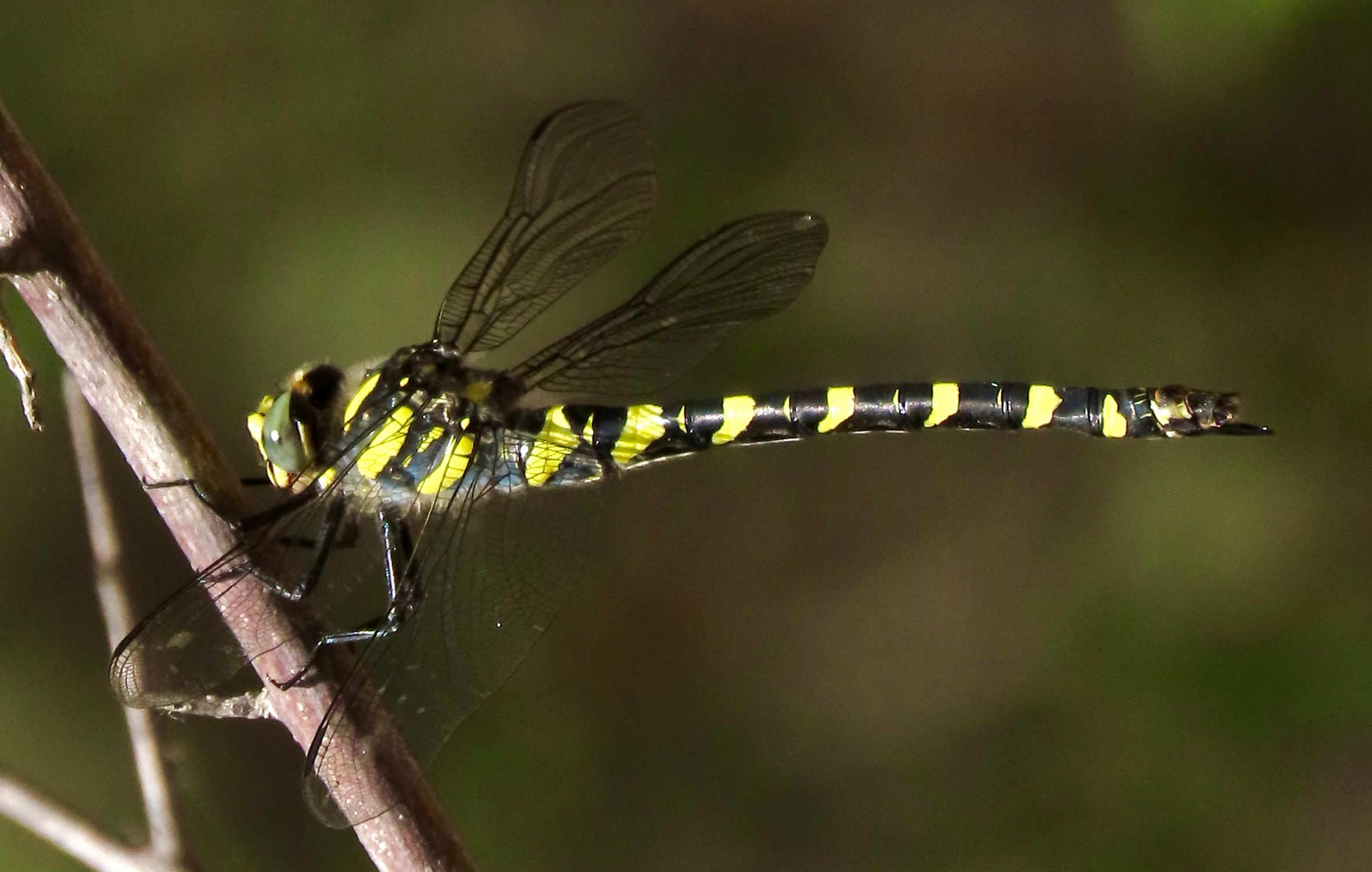
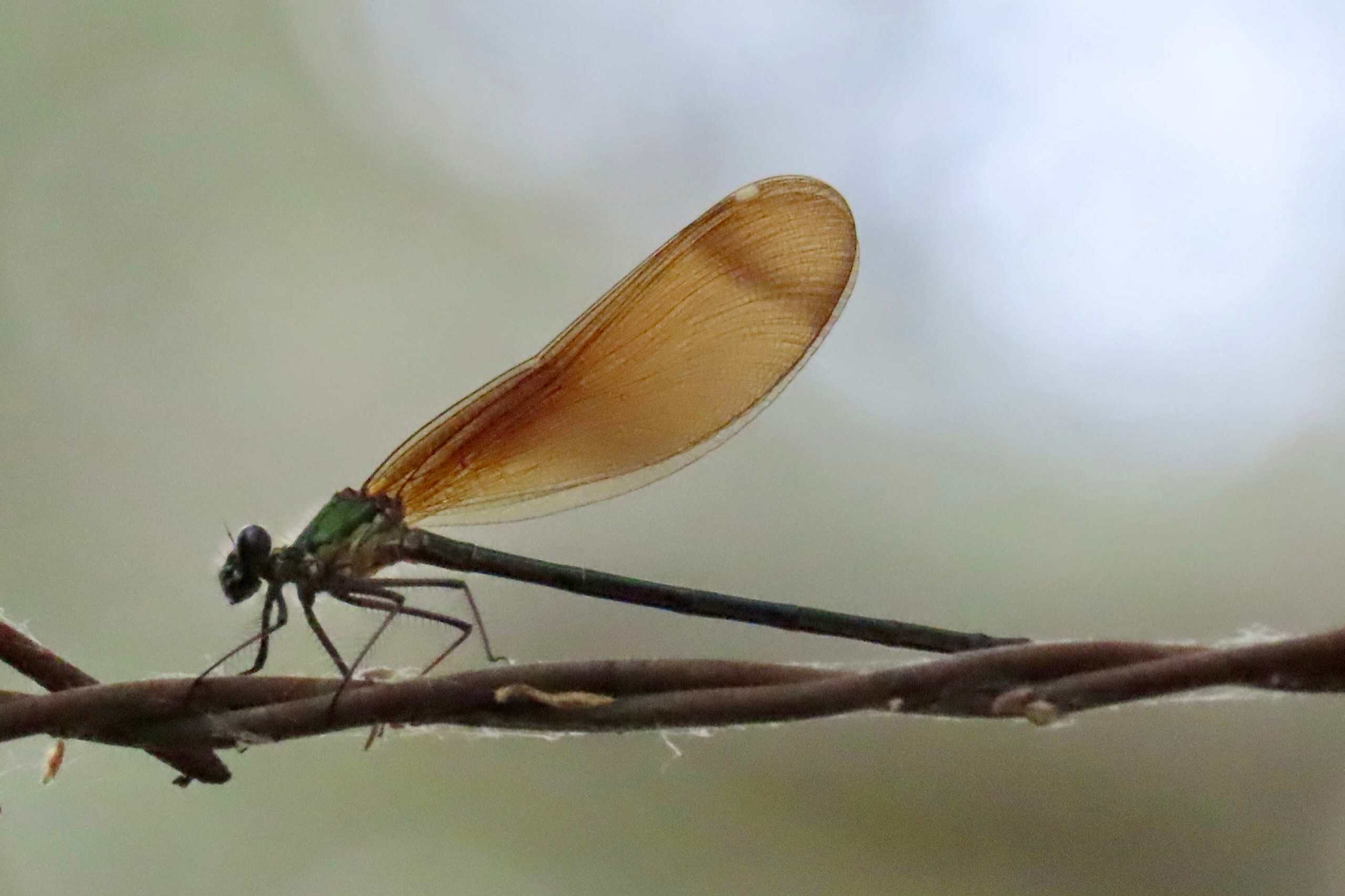
During the walk, it is also possible to observe wildflowers, butterflies and other animals.
The routes may vary depending on the season and the presence of species.
Route 1: Ribera de Alájar
Quiet walk along the stream where you can observe numerous birds characteristic of the park.
All Year
- Blackbird
- Cattle Egret
- Grey Heron
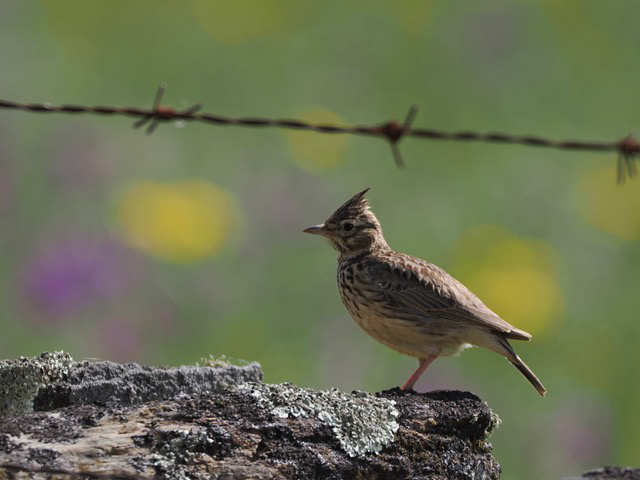
- Crested Lark
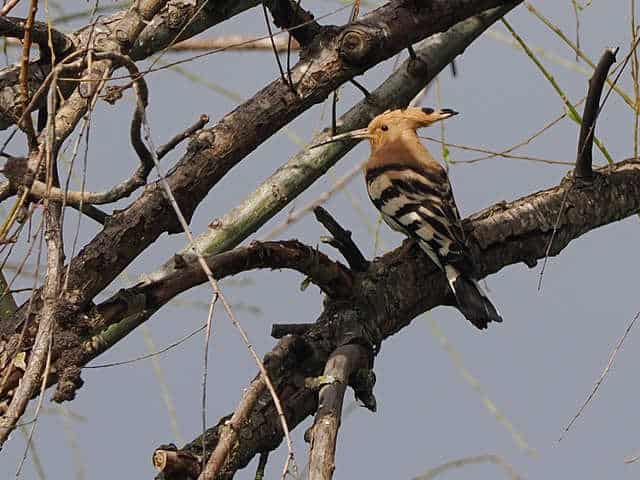
- Hoopoe
- Thekla Lark
- Great Spotted Woodpecker
- Linnet
- Lesser Spotted Woodpecker
- Grey Wagtail
- Blackcap
- Spotless Starling
- Chiffchaff
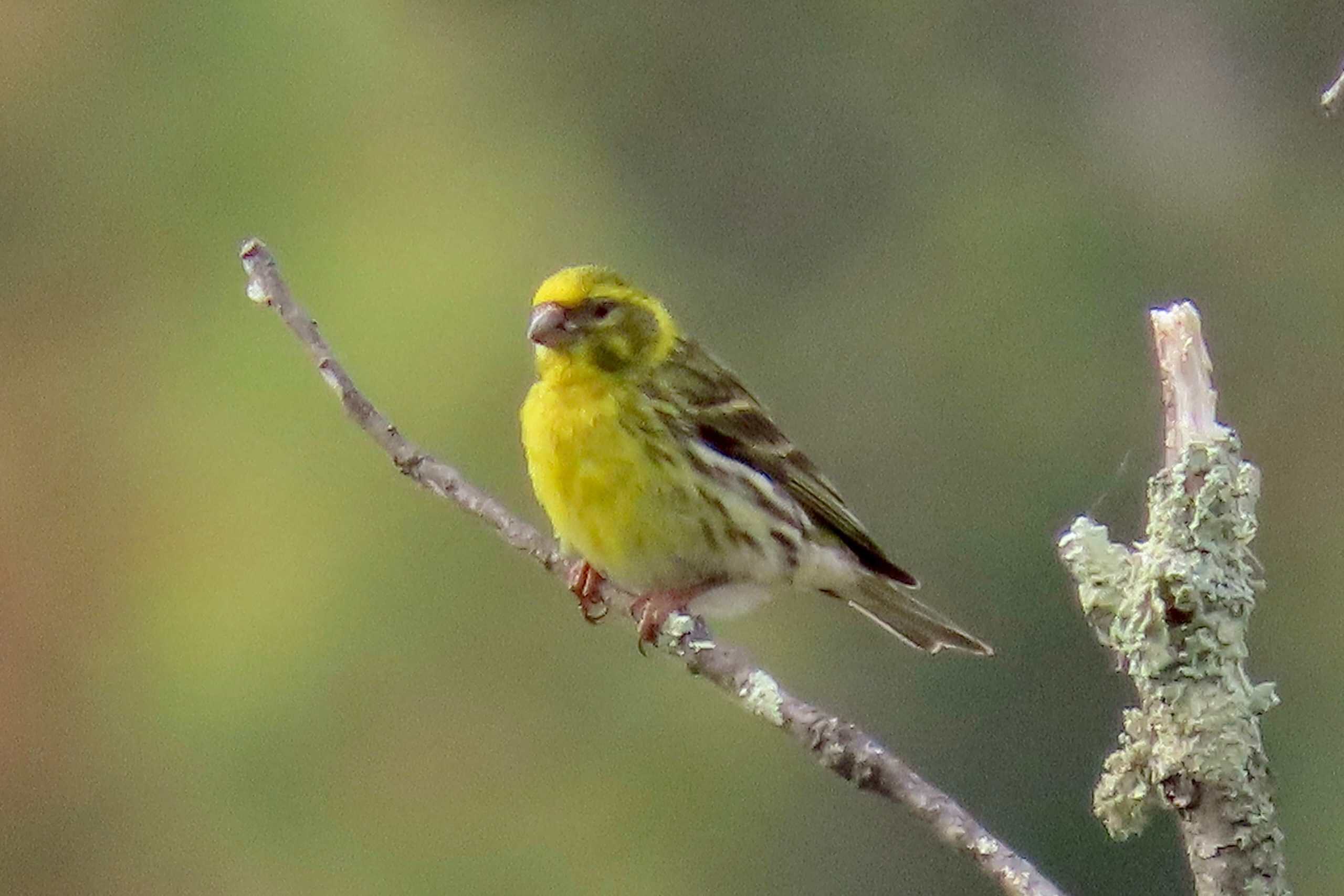
- Serin
- Cetti Warbler
- Goldfinch
- Sardinian Warbler
- Greenfinch
- Nuthatch
- Mistle Thrush
- Short Toed Tree Creeper
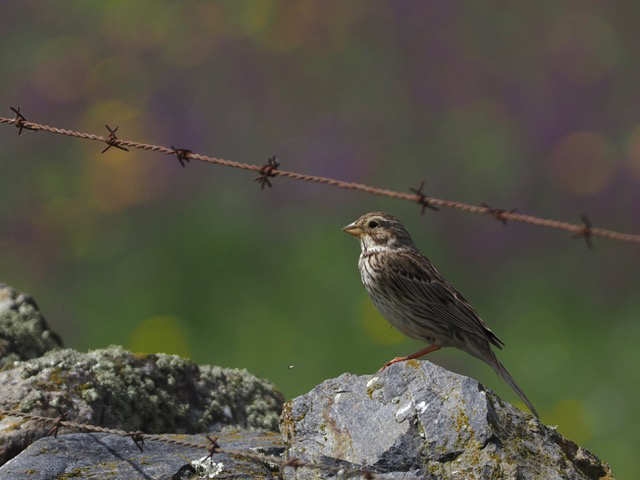
- Corn Bunting
- Jay
- Azure Winged Magpie
- Collared Dove
- Wood Pigeon
- Wren
- Tawny Owl
- Blue Tit
- Great Tit
- Long Tailed Tit
- Crested Tit
- Crag Martin
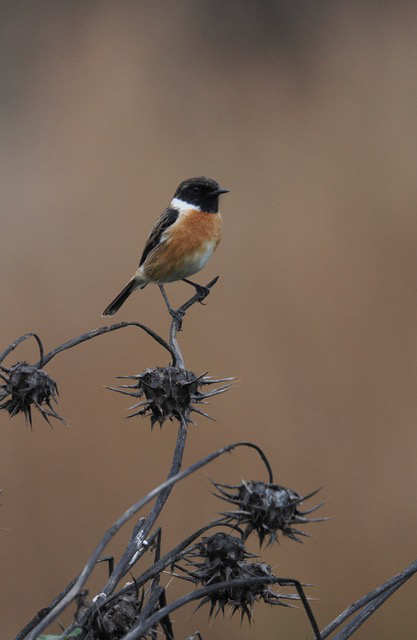
- Stonechat
- Griffon Vulture
- Black Vulture
- Hawfinch
Winter
- Robin
- Red Kite
- Lapwing
- Green Sandpiper
- Southern Grey Shrike
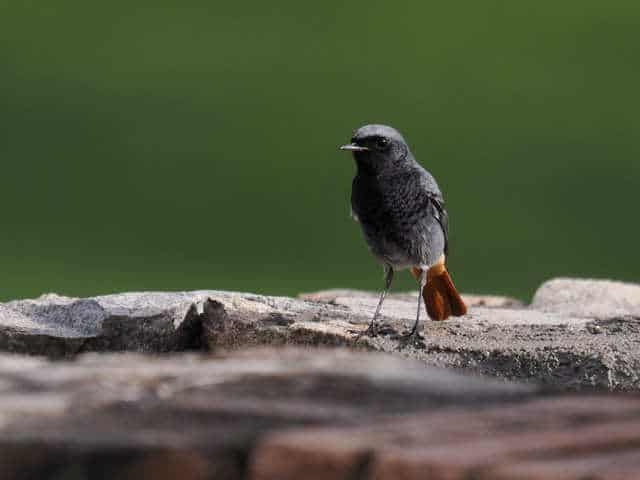
- Black Redstart
- White Wagtail
- Meadow Pipit
- Song Thrush
Summer
- Turtle Dove
- Black Kite
- Cuckoo
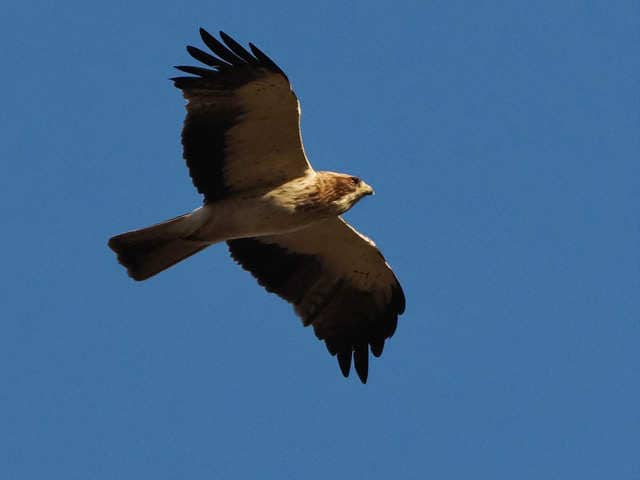
- Booted Eagle
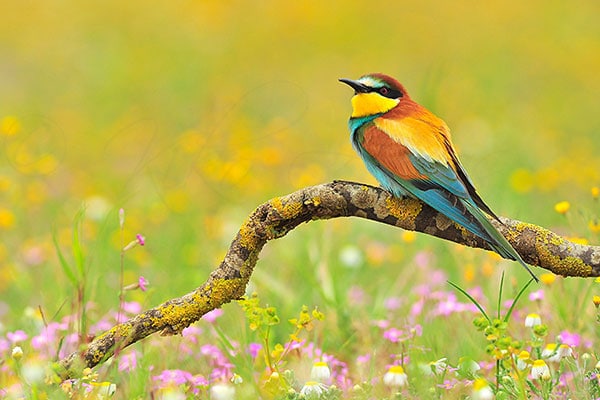
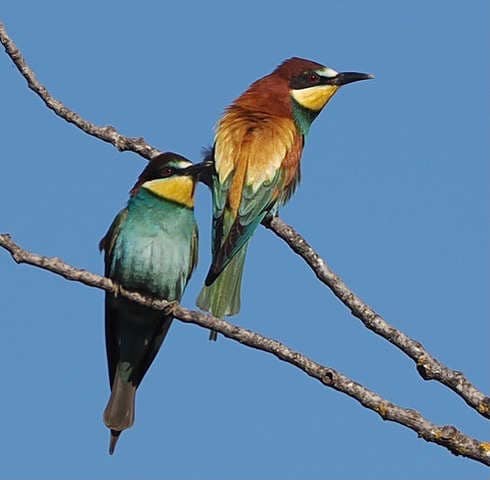
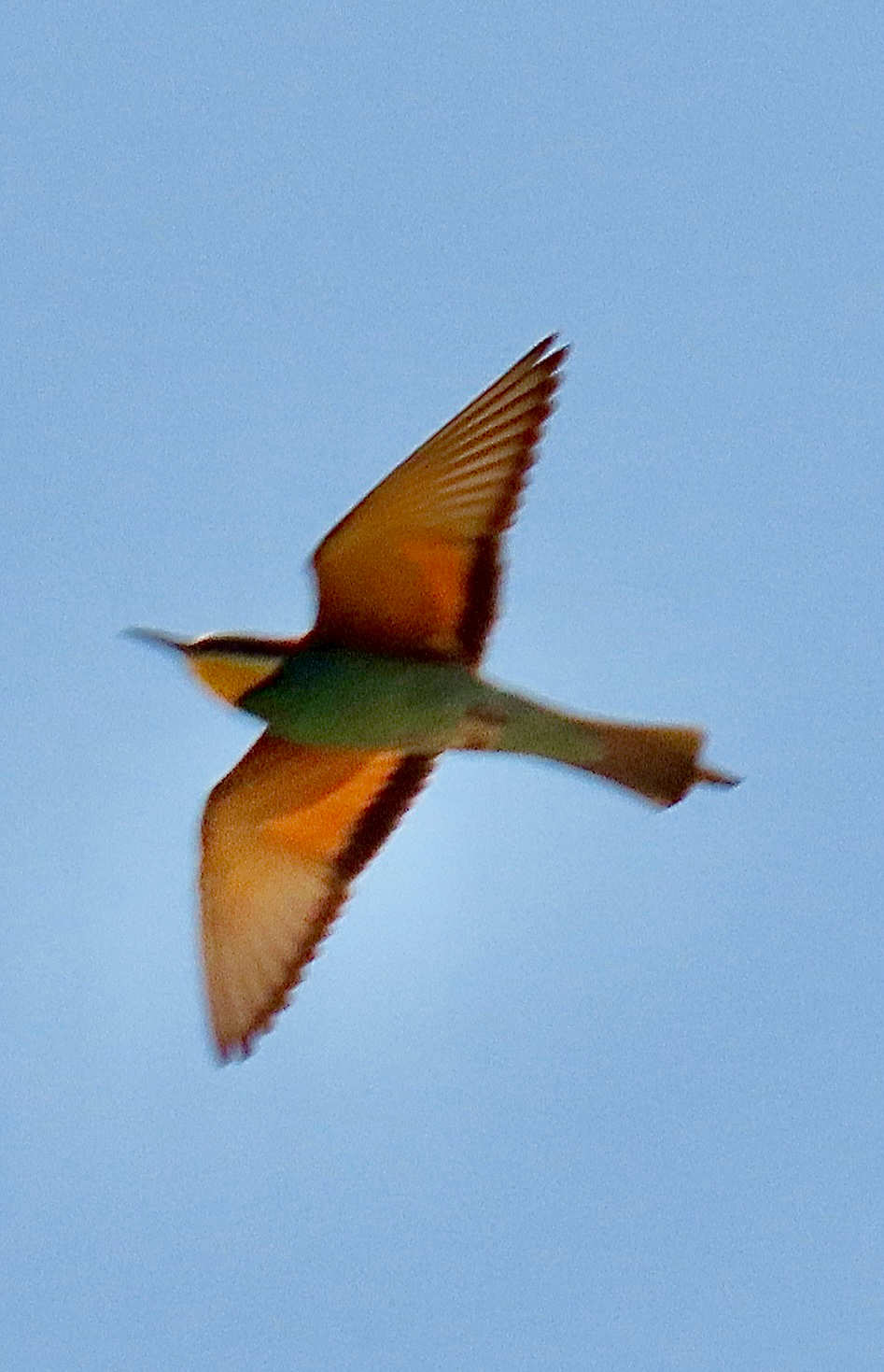
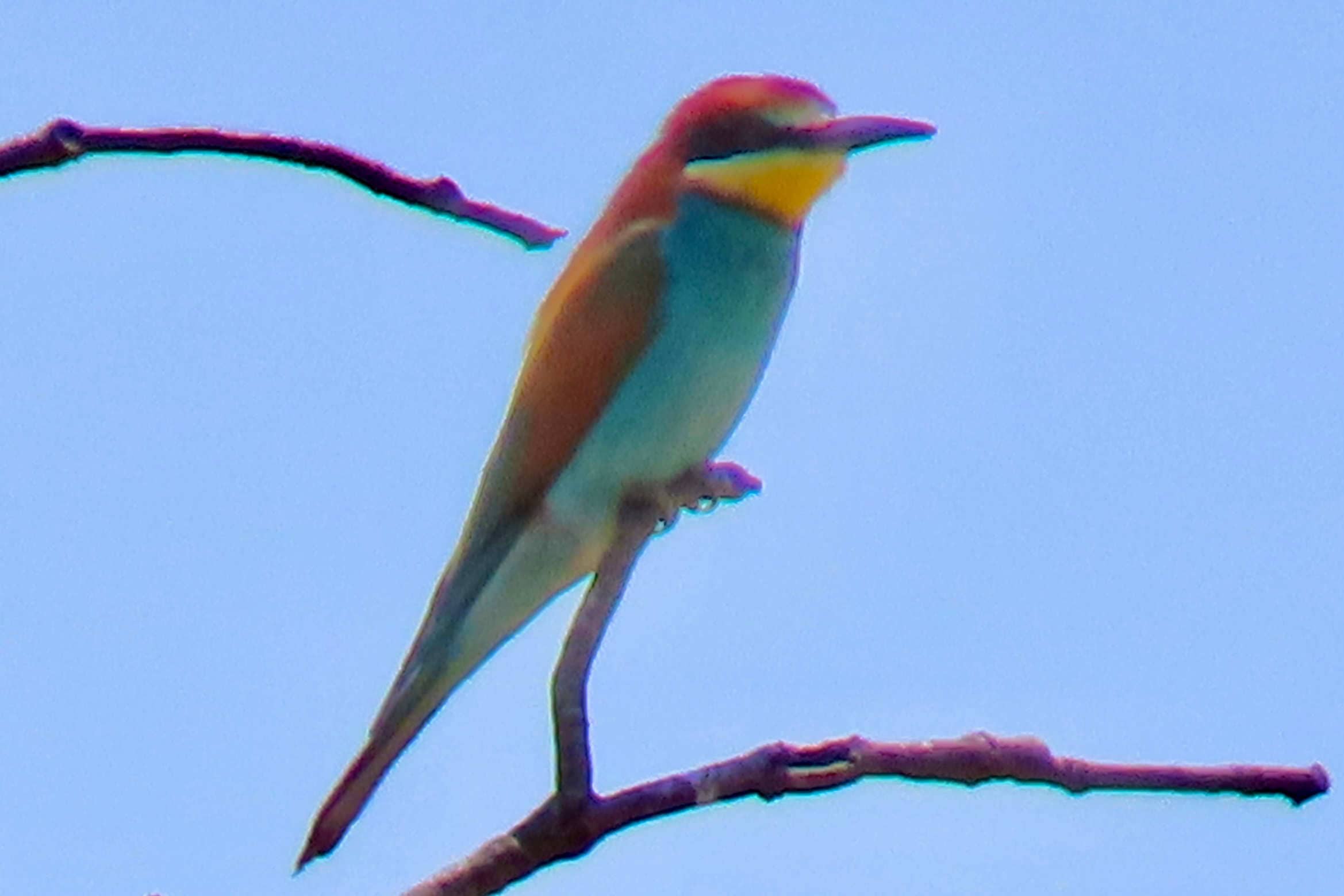
- Bee-eater
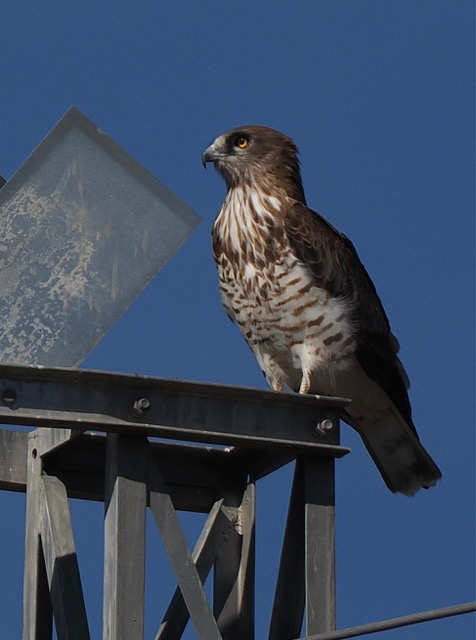
- Short Toed Eagle
- Swallow
- Black Stork
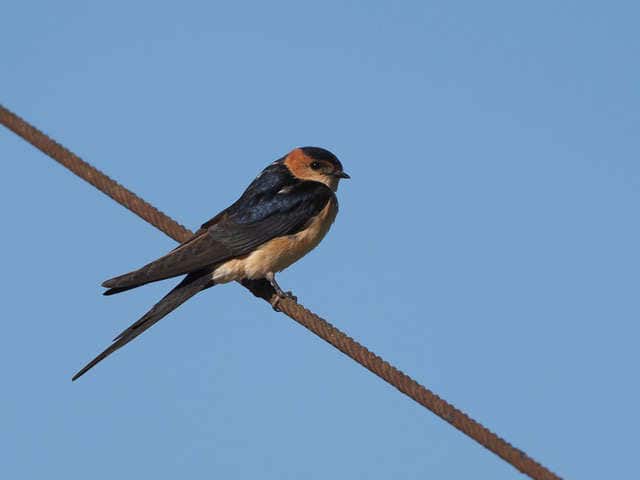
- Red Rumped Swallow
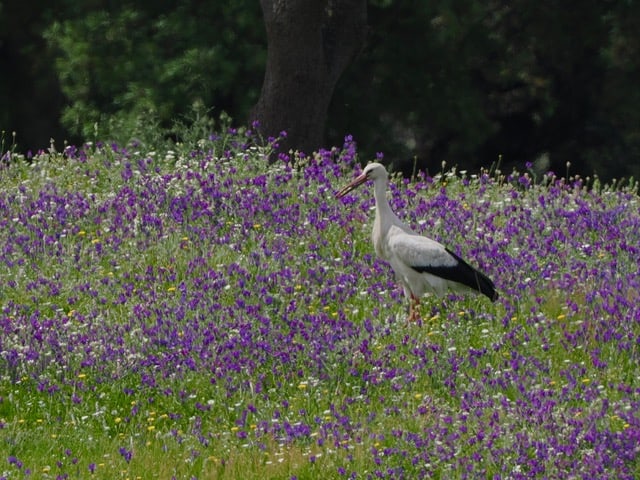
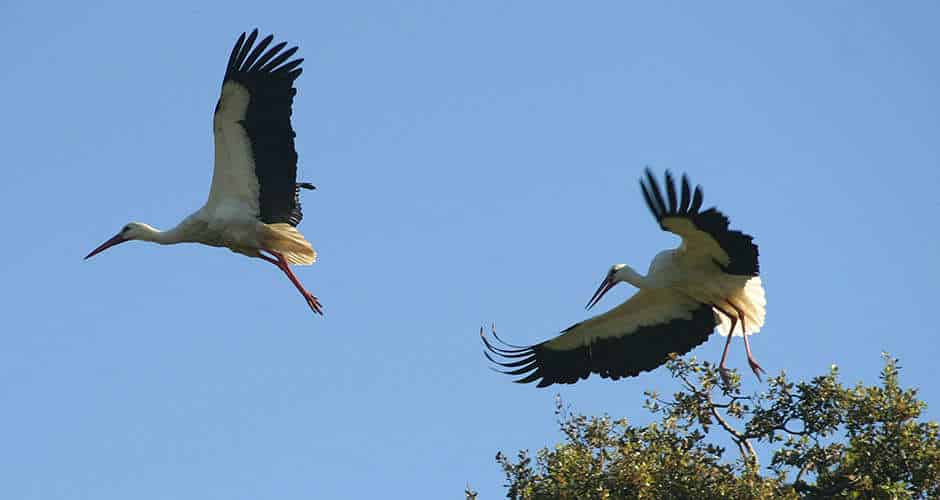
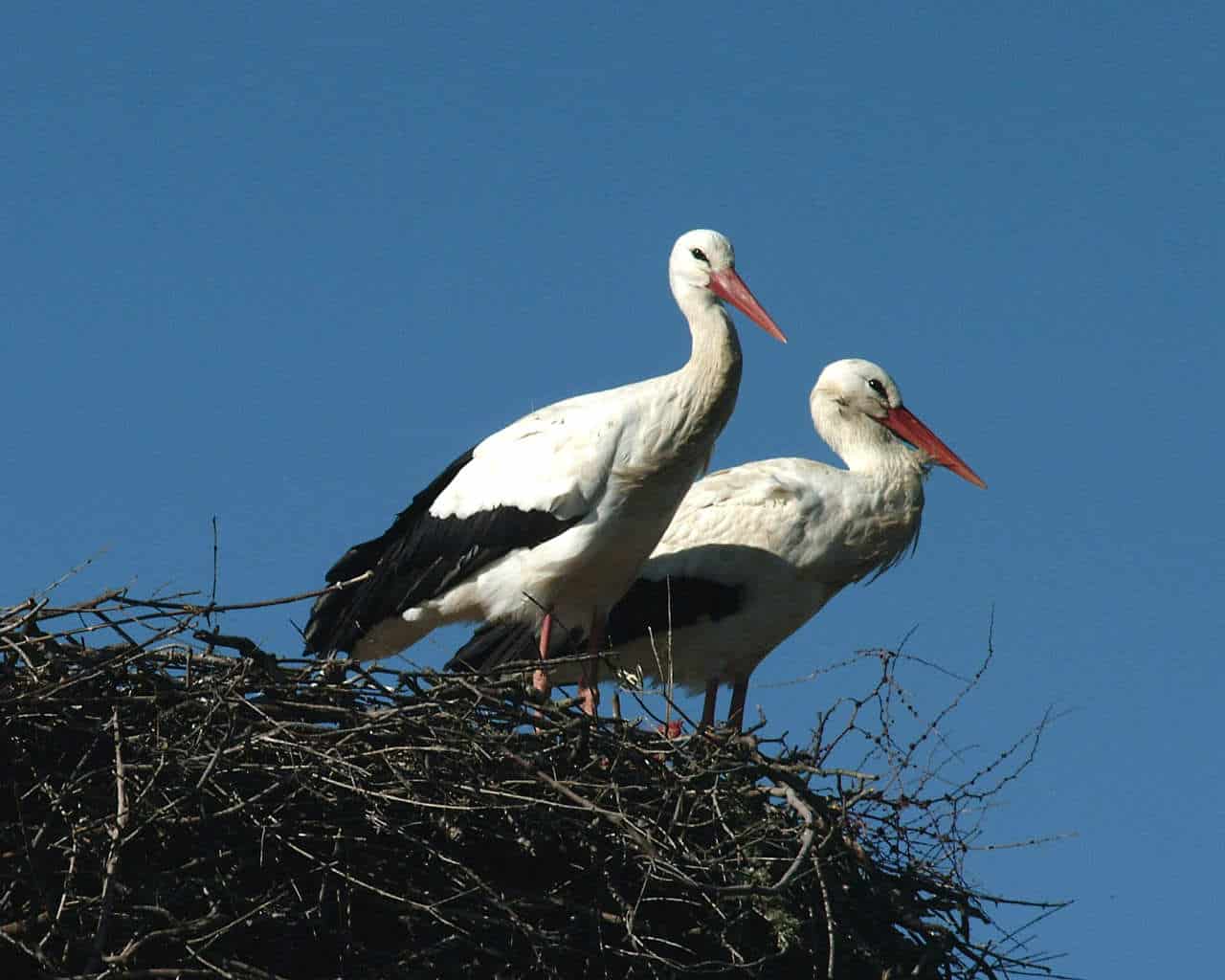
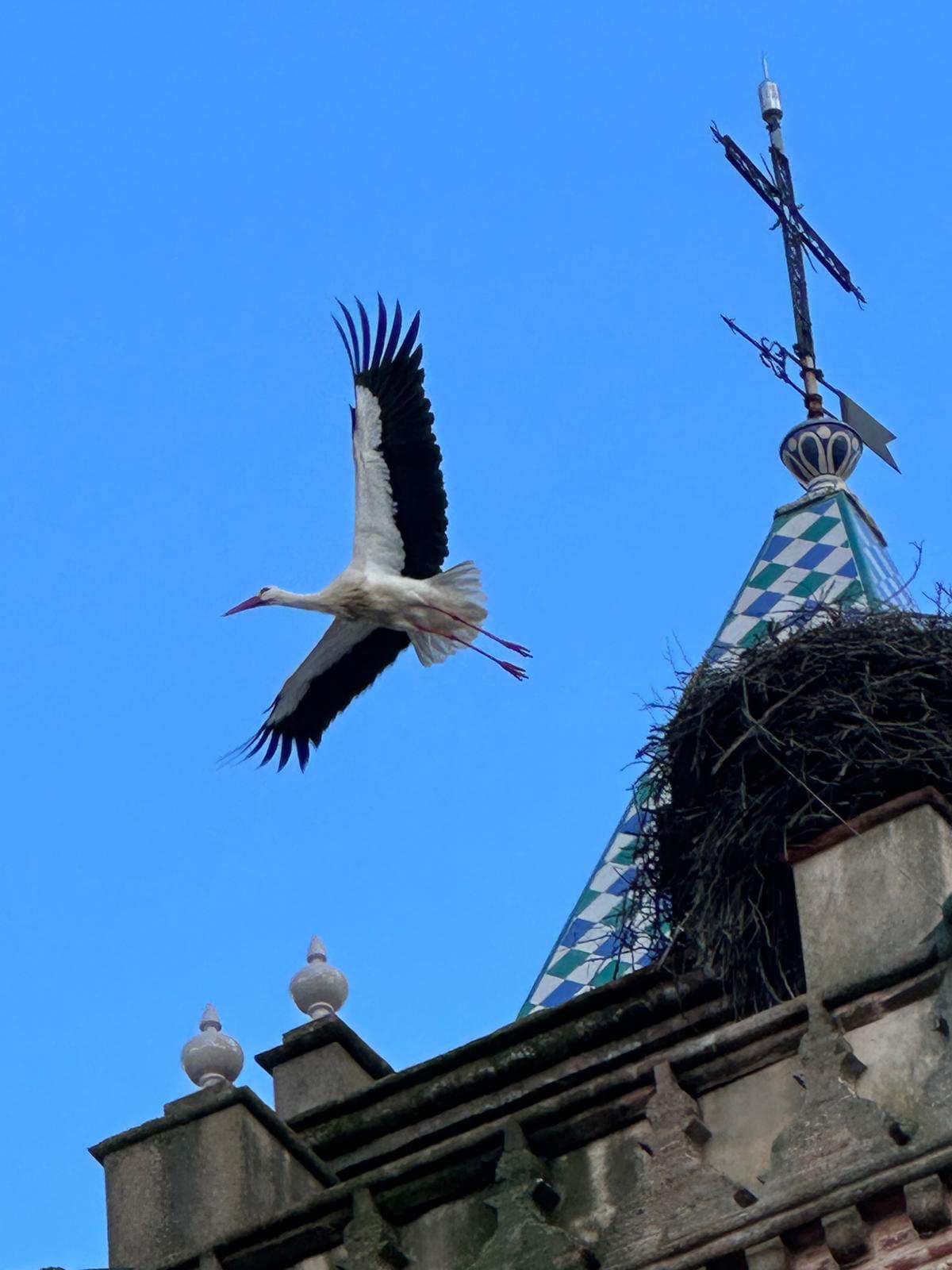
- White Stork
- House Martin
- Common Swift
- Pallid Swift
- Nightingale
- Redstart
- Melodious Warbler
- Iberian Chiffchaff
- Garden Warbler
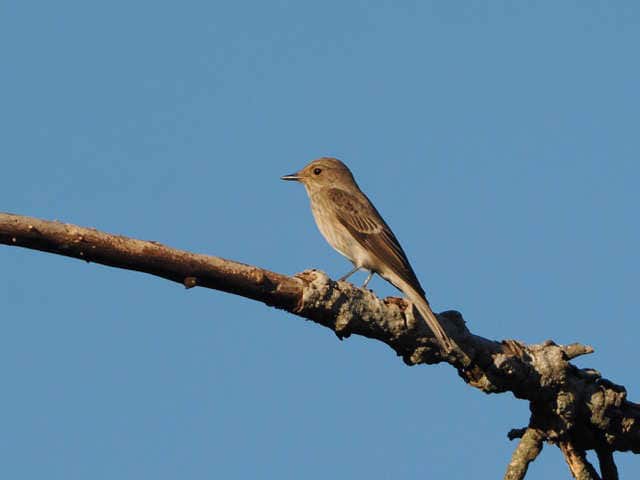
- Spotted Flycatcher
- Pied Flycatcher
- Golden Oriole
- Common Sandpiper
- Red Necked Nightjar
Route 2: Aquatic species
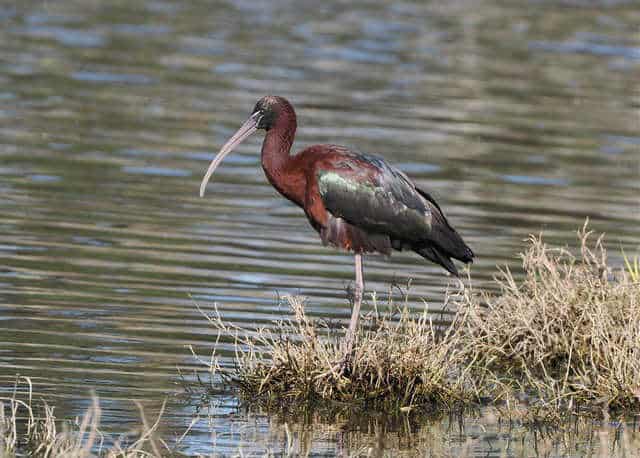
A tour of the park's lakes and riverbanks. Depending on the season it is possible to see different species of water birds.
All Year
- Little Grebe
- Azure Wing Magpie
- Great Crested Grebe
- Stonechat
- Coot
- Moorhen
- Mallard
- Cormorant
- Grey Heron
- White Stork
- Little Egret
- Cattle Egret
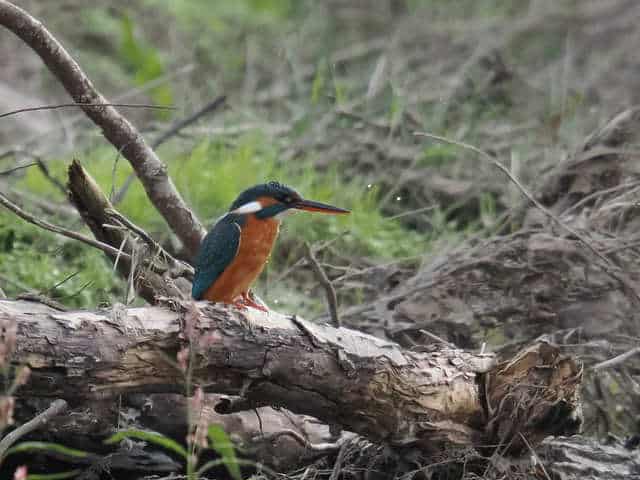
- Kingfisher
- Grey Wagtail
- Cetti's Warbler
- Blackcap
- Sardinian Warbler
- Common Buzzard
- Red Kite
- Griffon Vulture
- Black Vulture
- Kestrel
- Sparrowhawk
- Raven
- Nuthatch
- Hoopoe
Winter
- Osprey
- Chiffchaff
- Lapwing
- Green Sandpiper
- Snipe
- White Wagtail
Summer
- Black Stork
- Black Kite
- Booted Eagle
- Swallow
- Red Rumped Swallow
- House Martin
- Swift
- Pallid Swift
- Common Sandpiper
Route 3: High peaks of Alájar
Route through some of the highest areas of the park, ideal for observing birds of prey and species typical of the high sierra.
All Year
- Griffon Vulture
- Grey Wagtail
- Black Vulture
- Dartford Warbler
- Common Buzzard
- Common Kestrel
- Sparrowhawk
- Goshawk
- Golden Eagle
- Raven
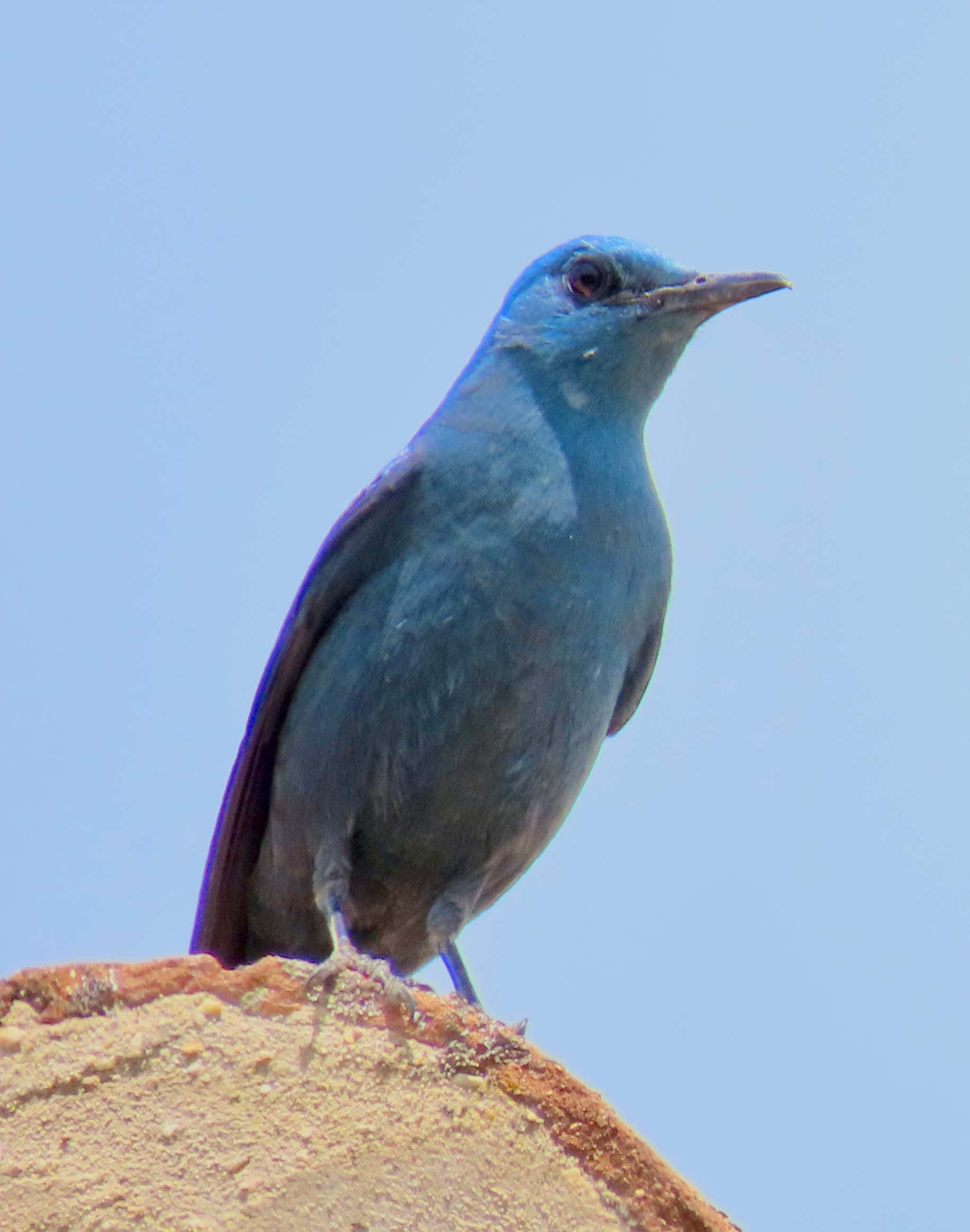
- Blue Rock Thrush
- Black Redstart
- Linnet
- Crested Lark
- Thekla Lark
- Rock Sparrow
- Rock Bunting
- Crag Martin
Winter
- Red Kite
- Hen Harrier
- Song Thrush
Summer
- Booted Eagle
- Short Toed Eagle
- Black Kite
- Lesser Kestrel
- Red Rumped Swallow
- Bee-eater
- Black Eared Wheatear
Practical information
- Groups of minimum 2 people and maximum 6
- Excursions usually on Monday, Wednesday or Friday
- Estimated duration: 09:00 – 16:00 / 17:00
- Possibility to start before sunrise
- On the first day, the Ribera de Alájar route is carried out, with a short introduction beforehand in the common room.
- The following day, the guide will pick up the participants and bring them back to Molino Río Alájar.
- There is also the possibility to organize additional activities, such as a visit to Doñana National Park.